Export Control Notice — This item may be subject to export controls as an accessory to controlled GPUs (ECCN 3A090 or related). Availability and shipping are subject to export license approval and end-user / end-use review. Our standard worldwide DDP shipping does not apply to this product.
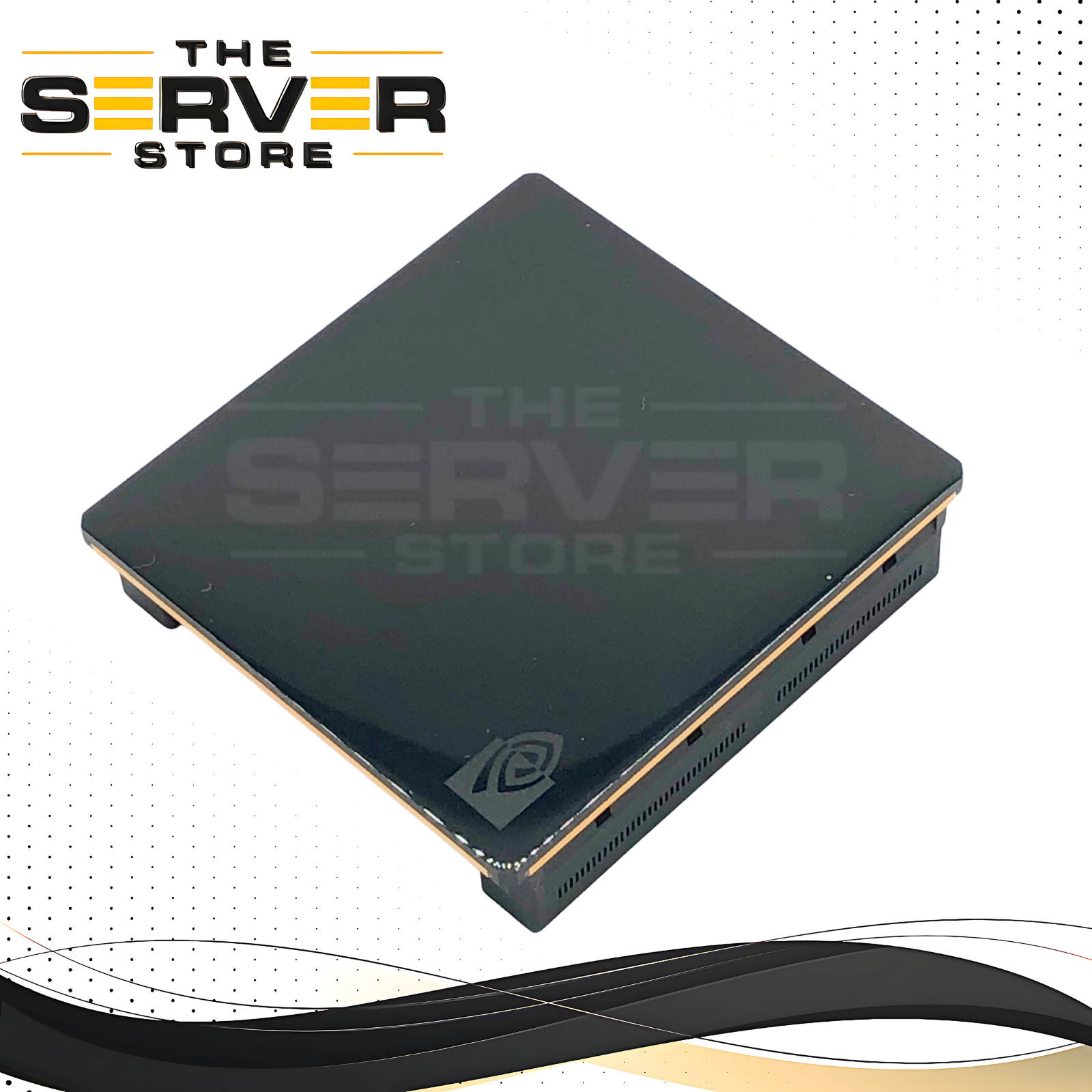
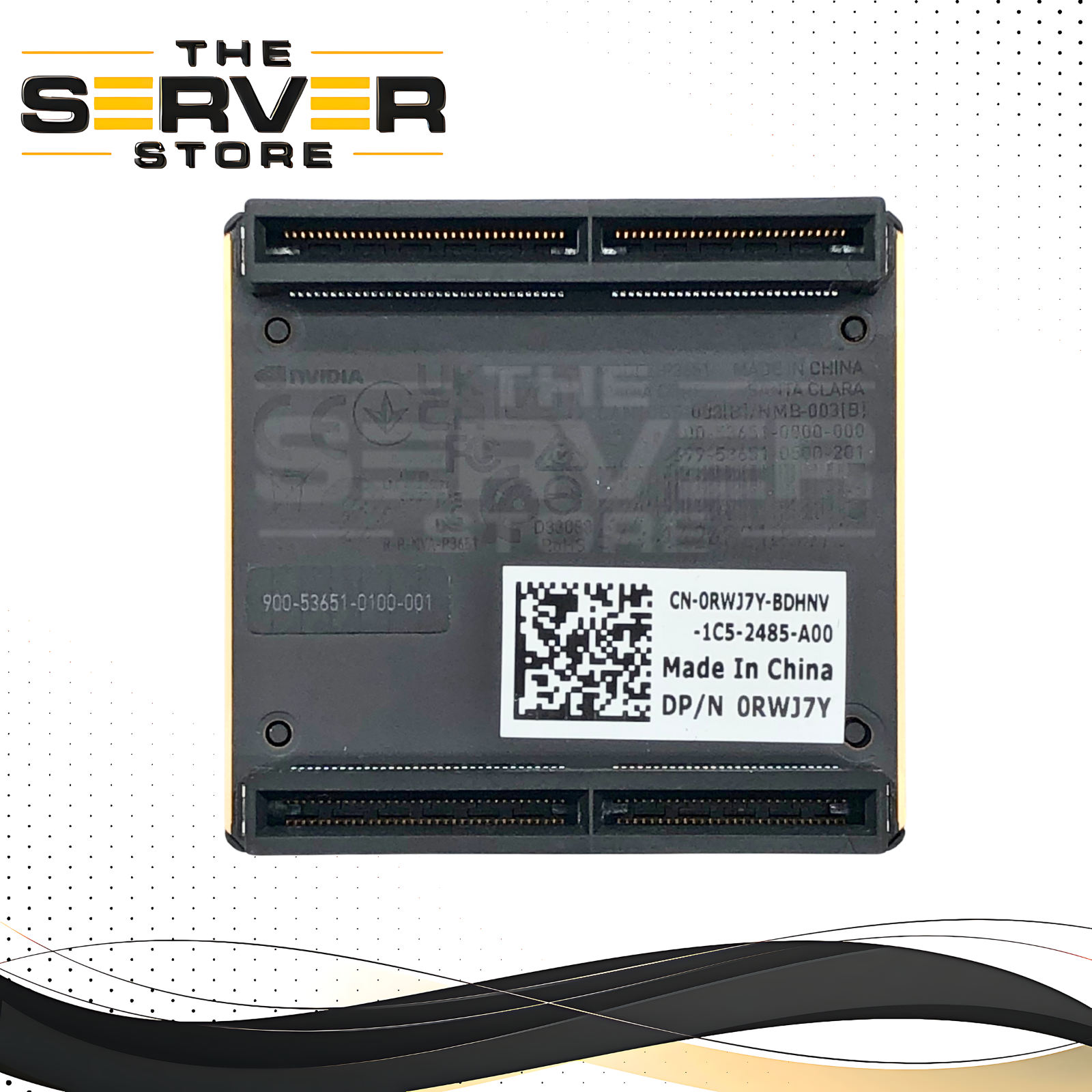
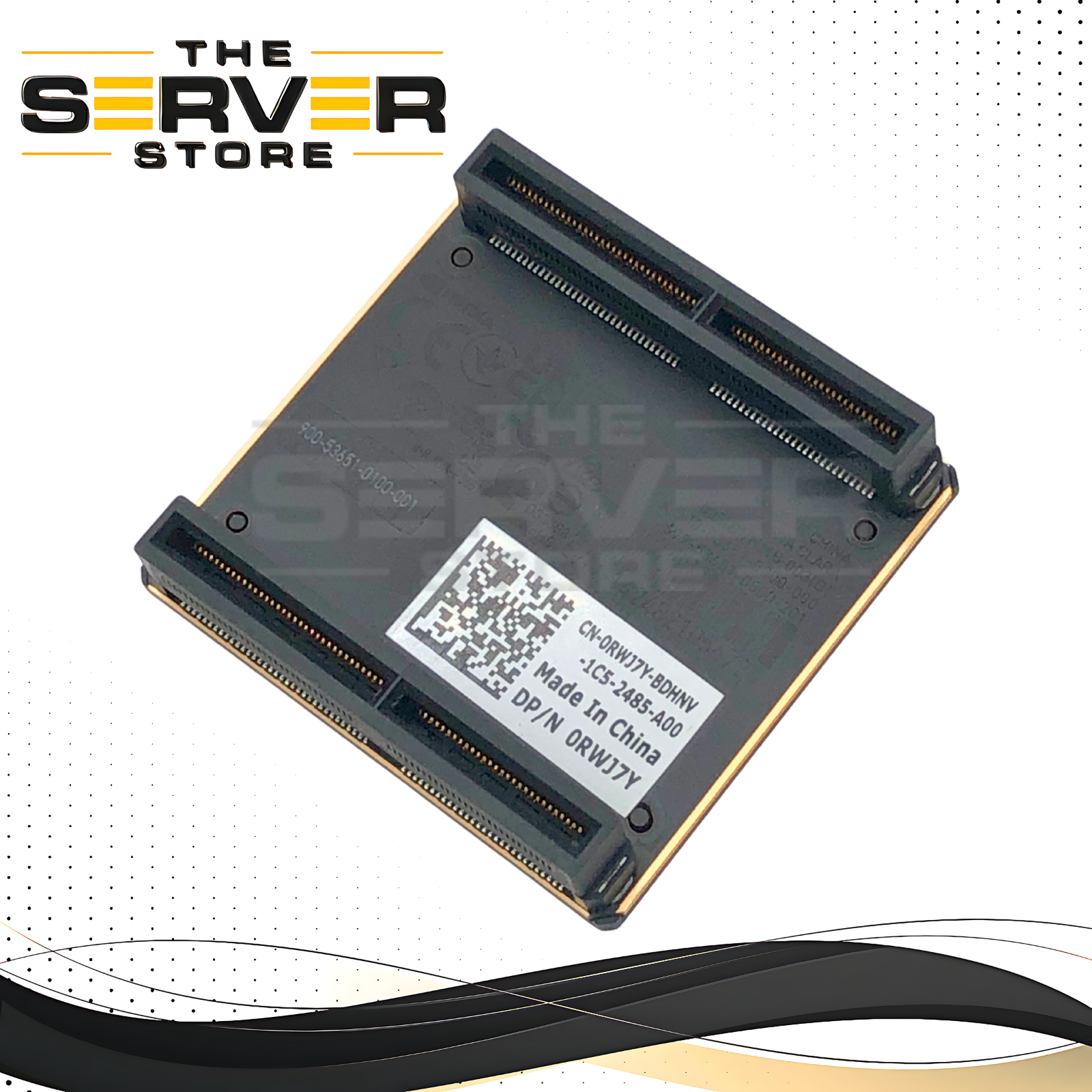
This is a genuine Dell Nvidia P3651 A100 / H100 2-Slot x16 NVLink Bridge Adapter (P/N: RWJ7Y, 0RWJ7Y, 900-53651-0100-001, 900-53651-0000-000, 699-53651-0500-201). Designed for high-performance computing (HPC) and artificial intelligence (AI) workloads, this NVLink bridge is a critical component for maximizing the performance of Nvidia A100 and H100 Tensor Core GPUs in compatible Dell PowerEdge servers. It establishes a high-bandwidth, low-latency direct connection between two adjacent GPUs, bypassing the PCIe bus to enable unprecedented data transfer speeds between them. This 2-way, 2-slot x16 configuration ensures that the GPUs can efficiently share data and memory at peak performance, which is essential for accelerating large-scale deep learning training, scientific simulations, and other compute-intensive tasks. By facilitating faster inter-GPU communication, the NVLink bridge unlocks the full potential of your Nvidia A100/H100 setup.
Key Features
-
Genuine Dell Nvidia Component: Ensures full compatibility and validated performance with Dell PowerEdge servers and Nvidia A100/H100 GPUs.
-
A100 / H100 Compatibility: Specifically designed to connect Nvidia A100 and H100 Tensor Core GPUs, leveraging their advanced NVLink technology.
-
2-Way, 2-Slot x16 NVLink Configuration: Connects two adjacent GPUs located in x16 PCIe slots, providing a direct, high-speed link.
-
High-Bandwidth, Low-Latency Interconnect: Enables significantly faster GPU-to-GPU communication compared to PCIe, crucial for accelerating multi-GPU workloads.
-
Enhanced GPU Performance: Maximizes the performance of interconnected GPUs by allowing them to share data and access each other's memory more efficiently.
-
Essential for Scalable AI/HPC: A vital component for deep learning training, scientific simulations, and other compute-intensive applications requiring massive parallel processing.
-
Improved Data Throughput: Bypasses PCIe bandwidth limitations for direct GPU communication, reducing bottlenecks and improving overall system throughput.