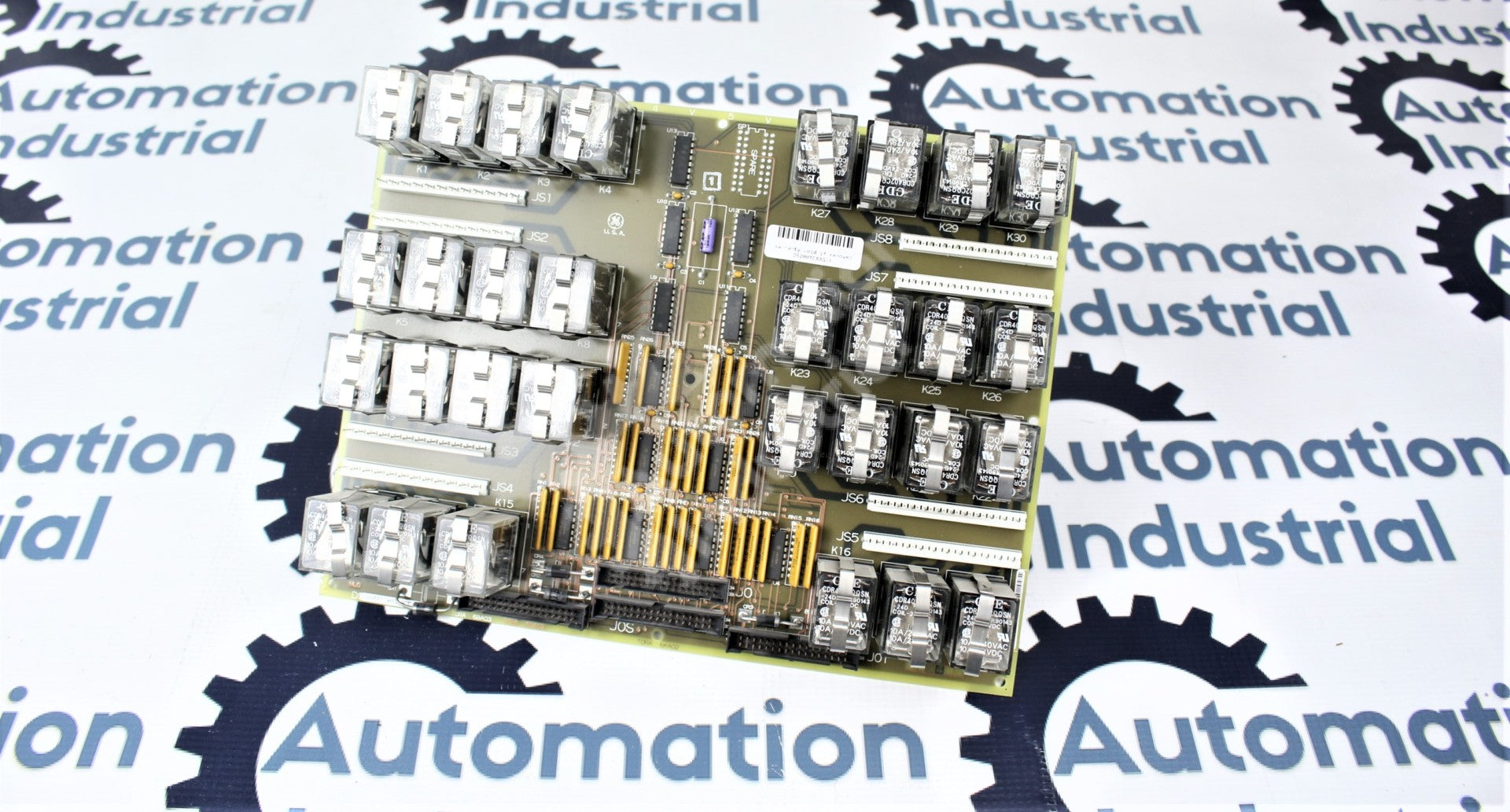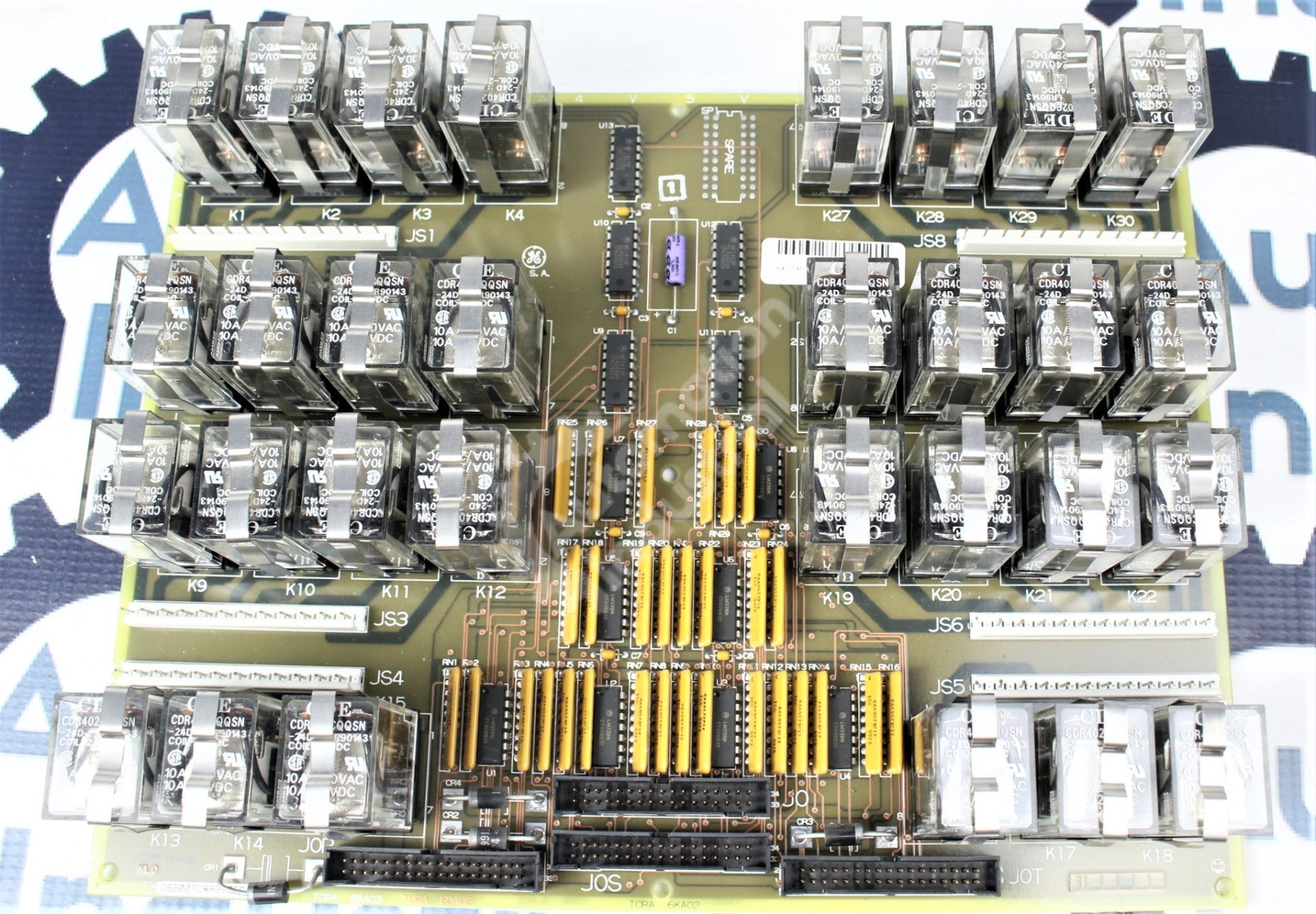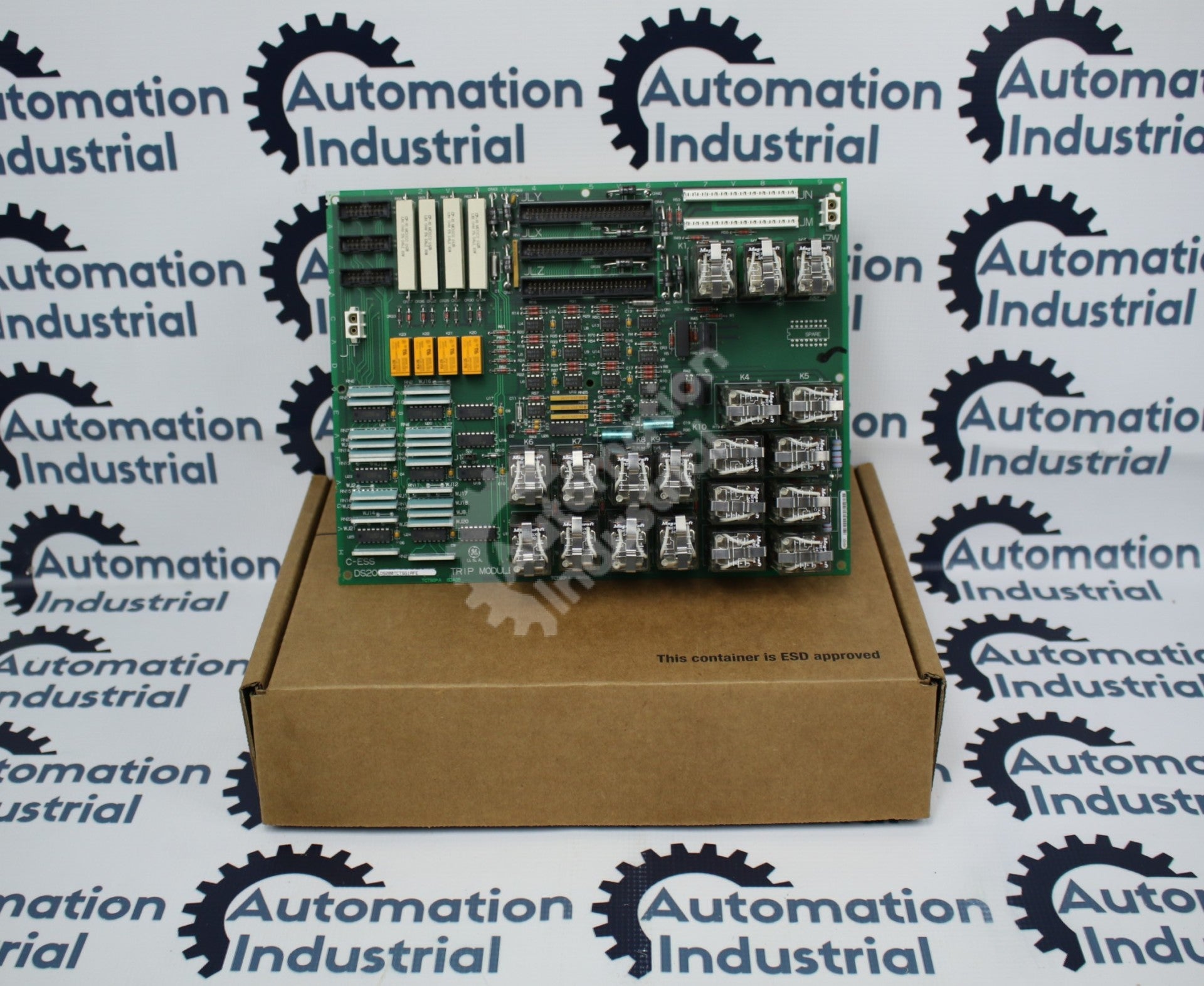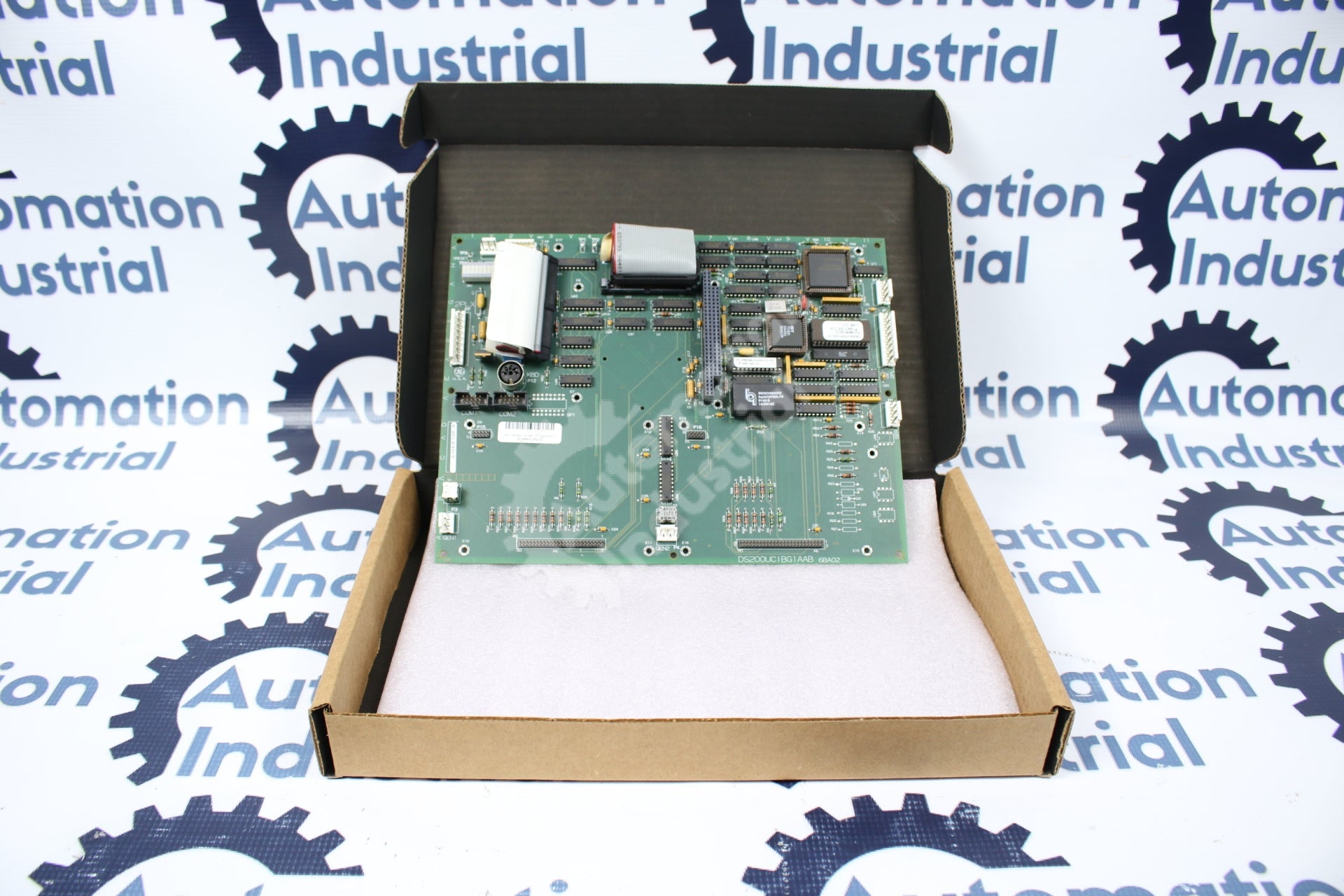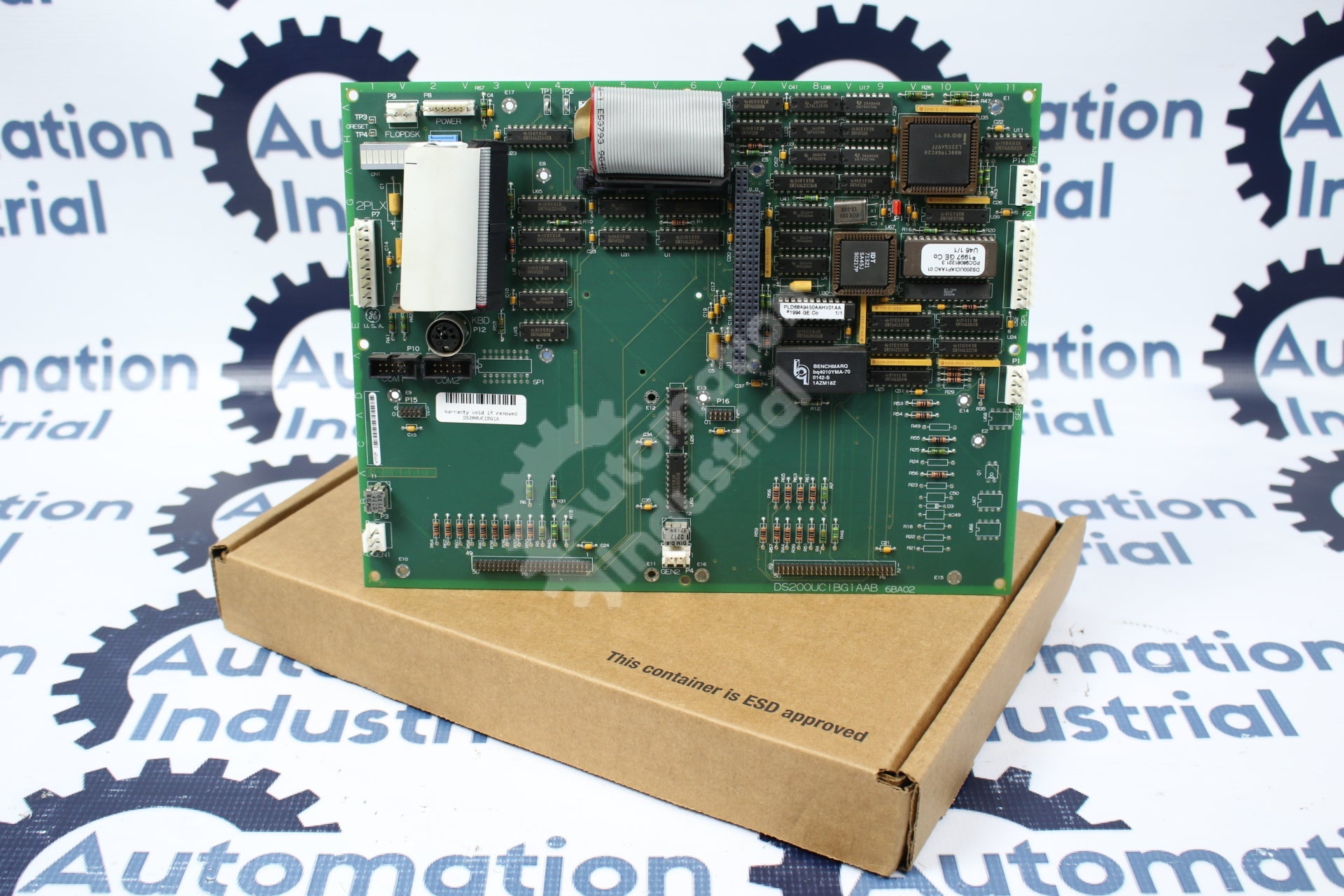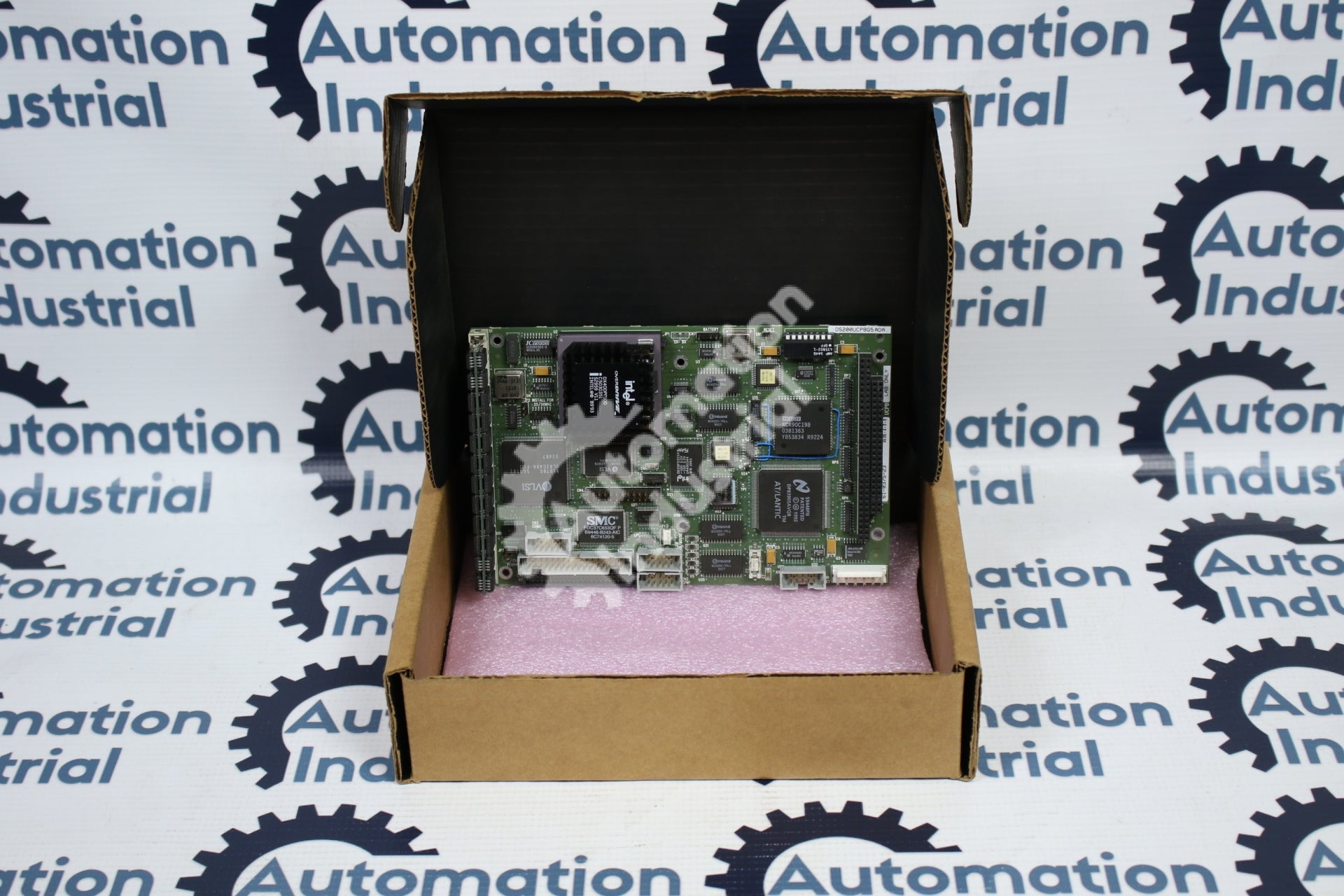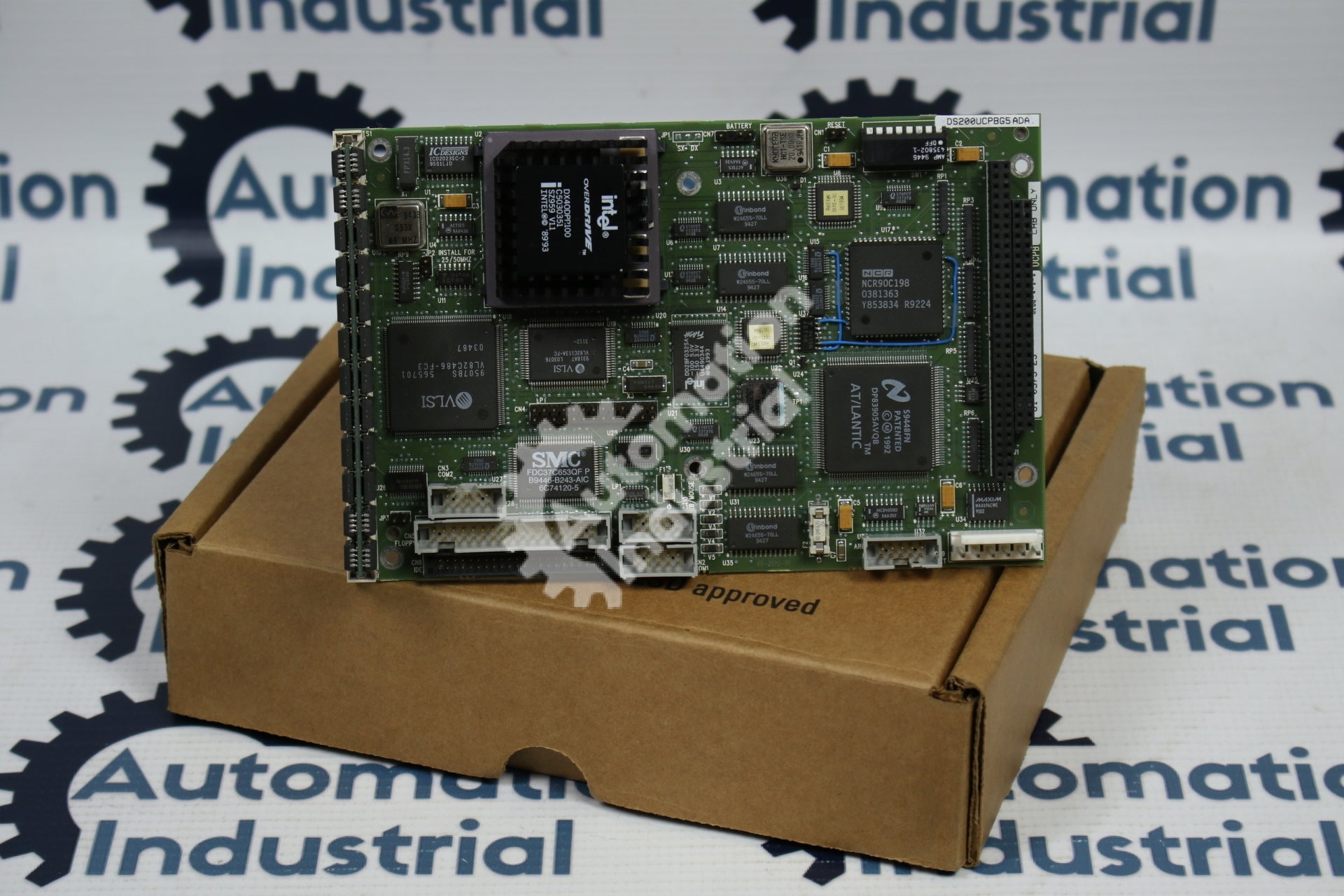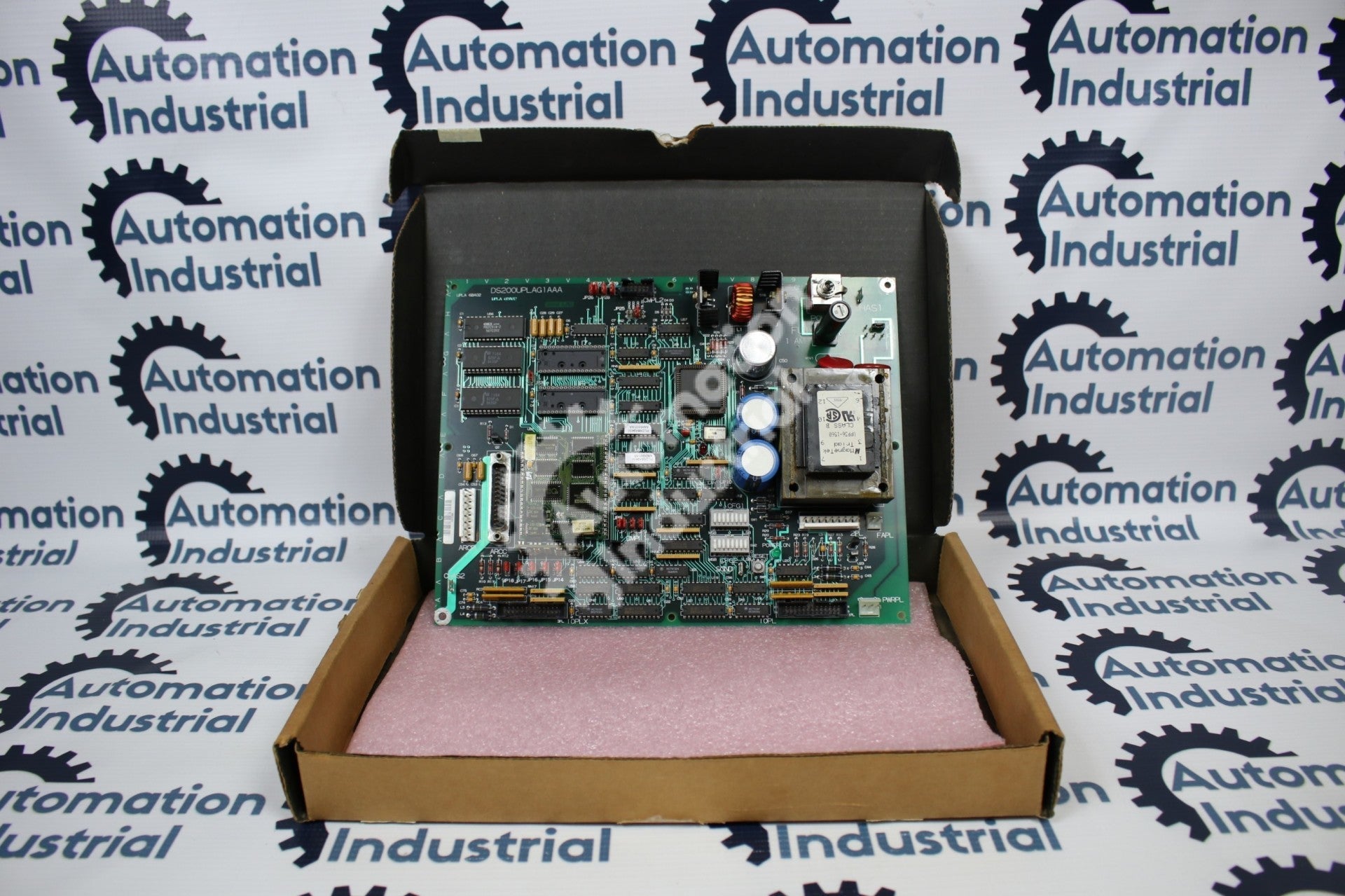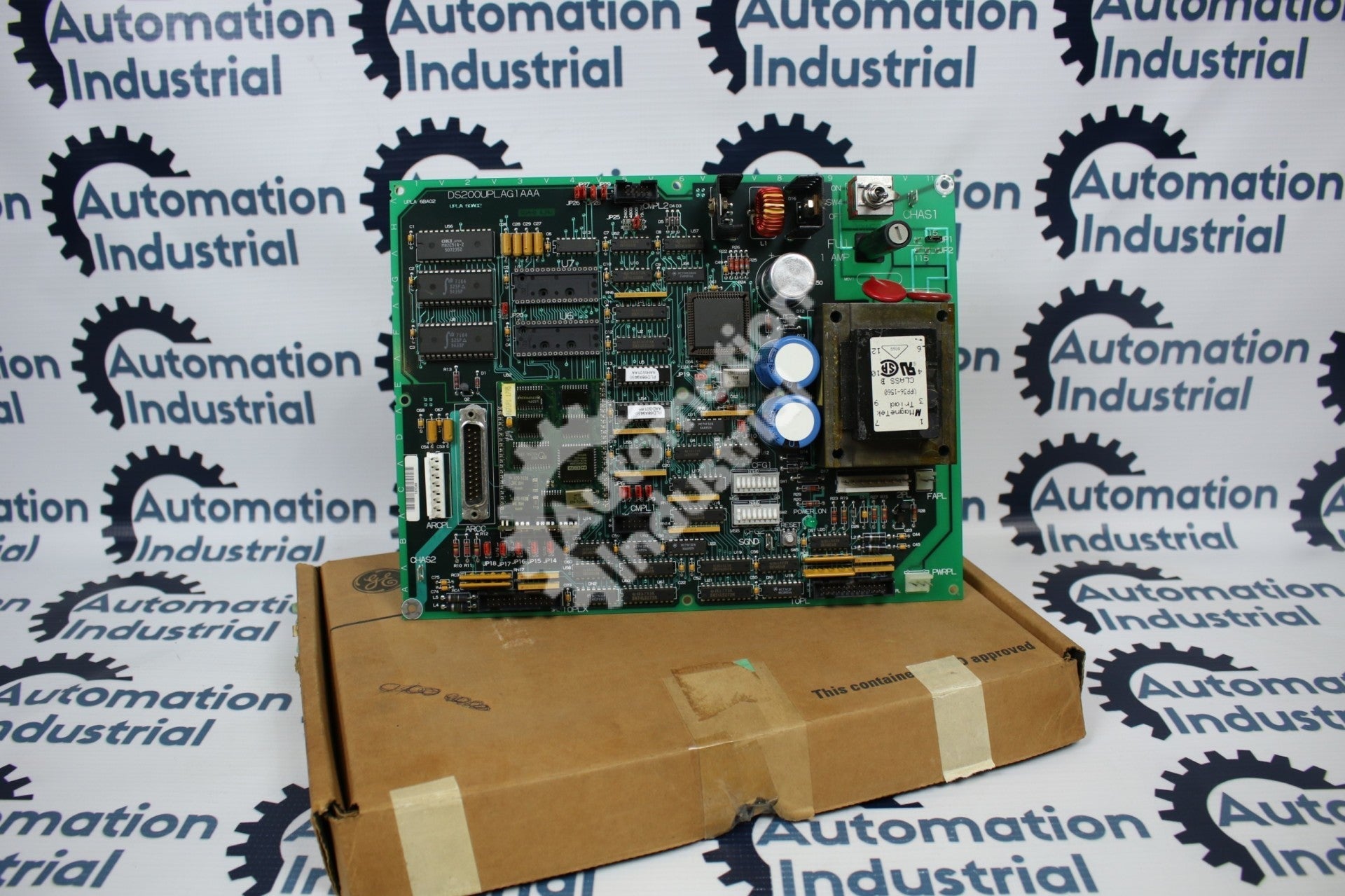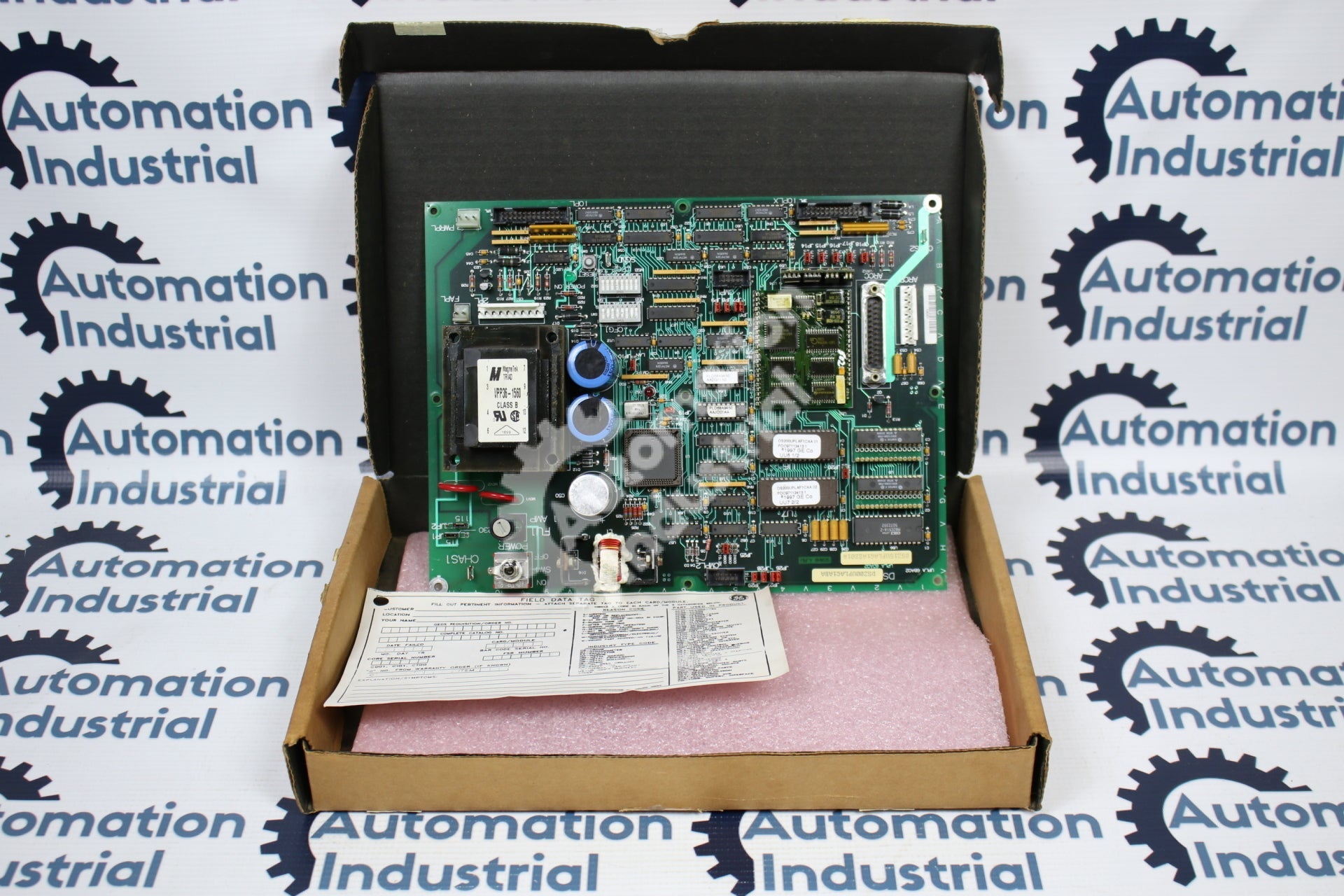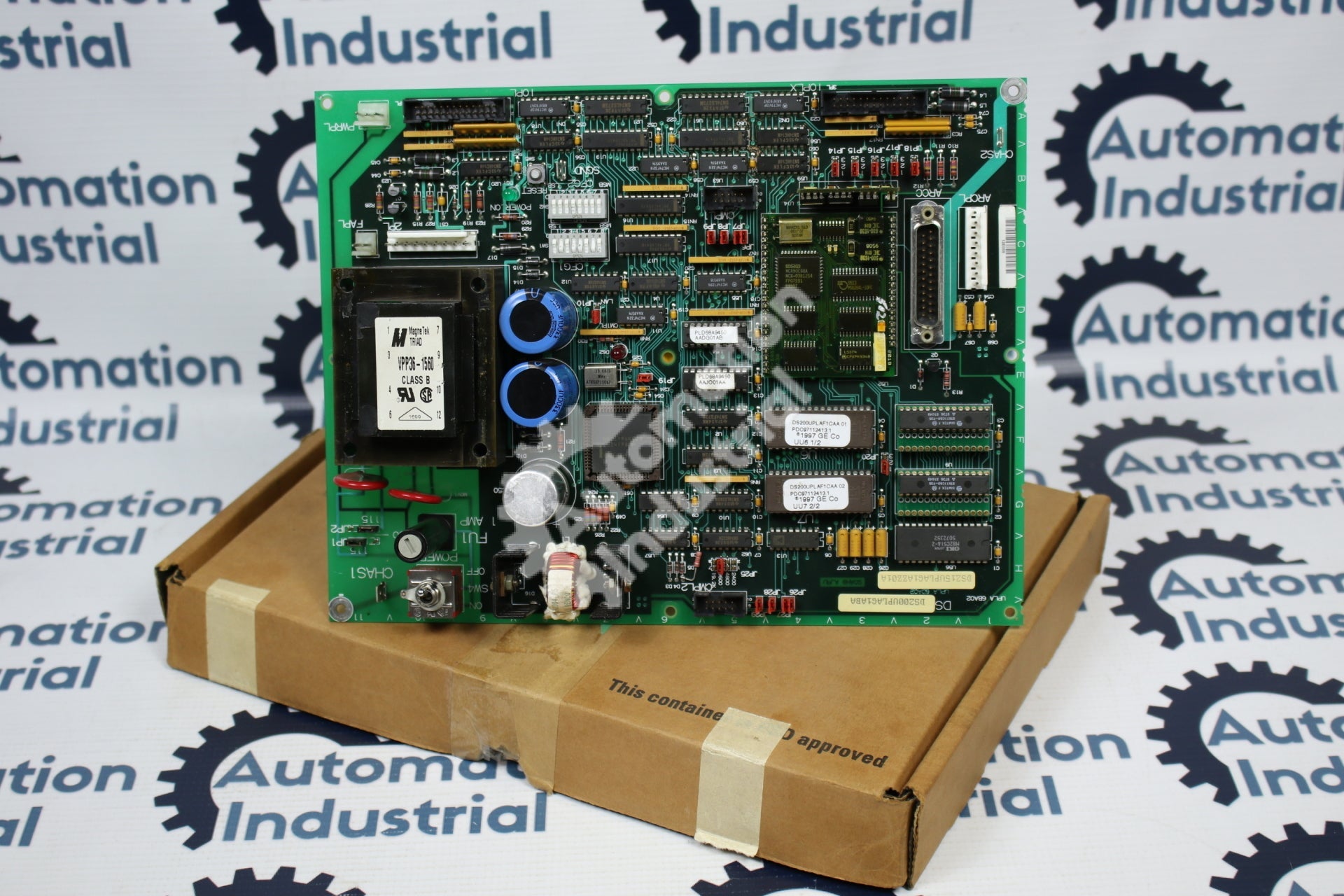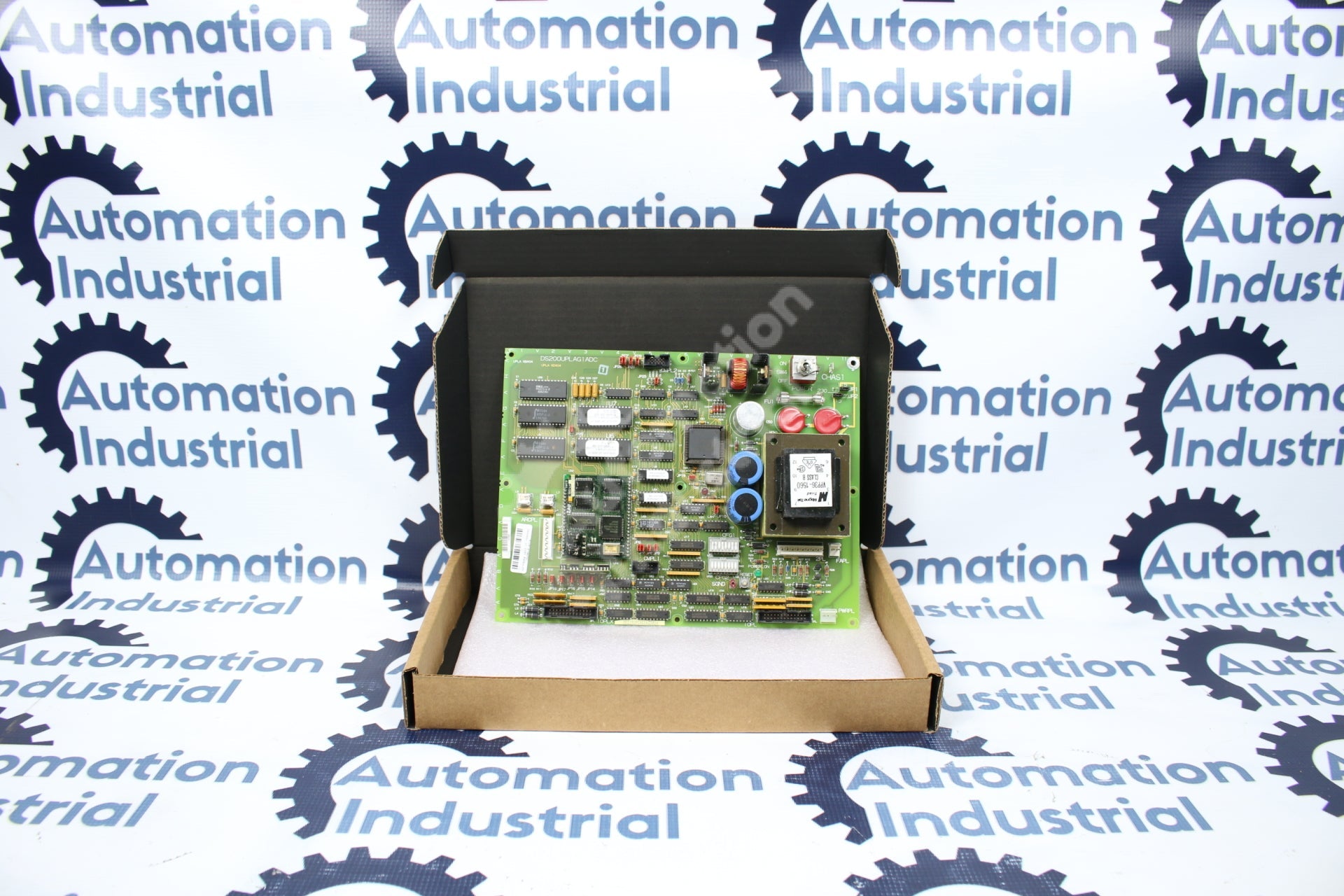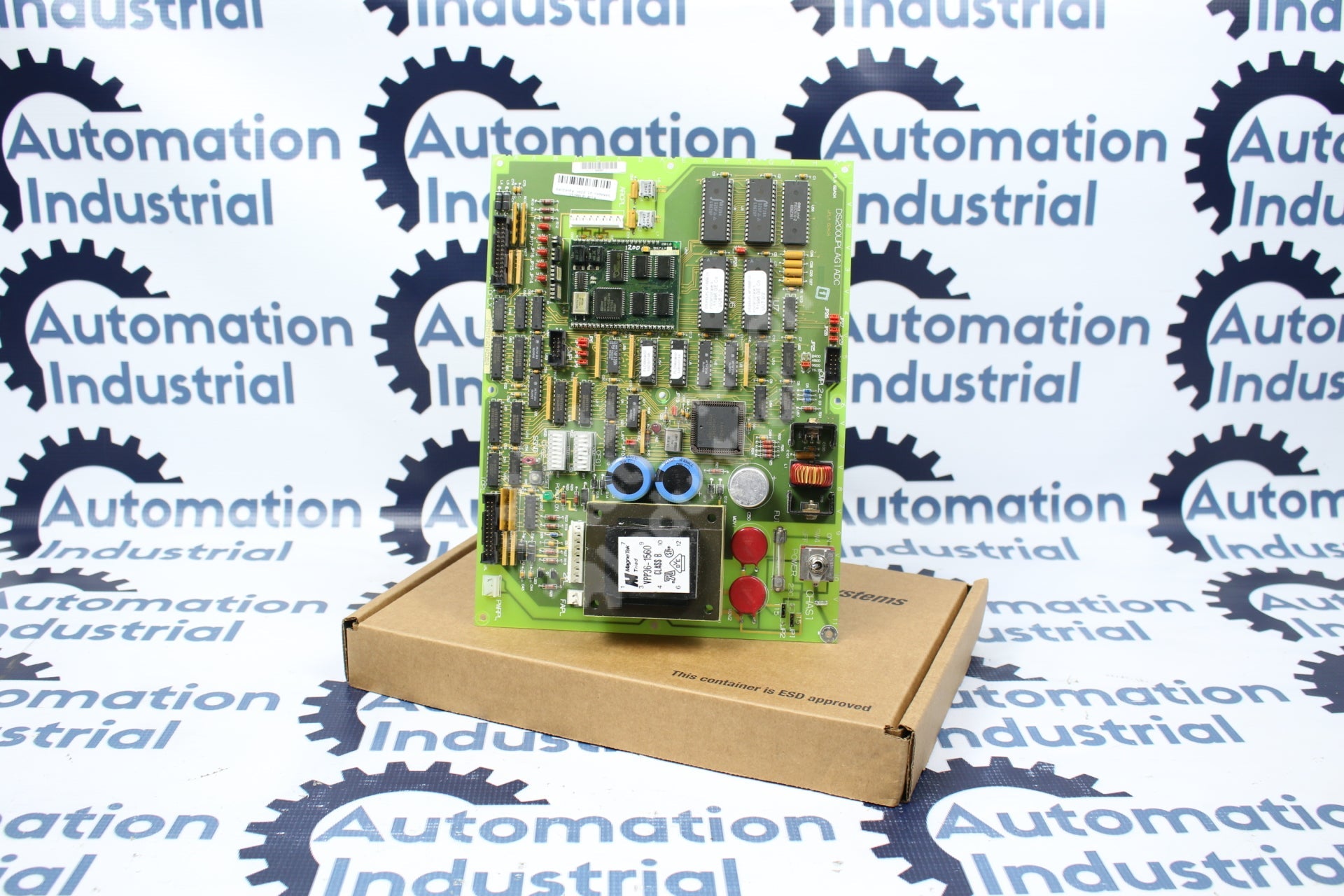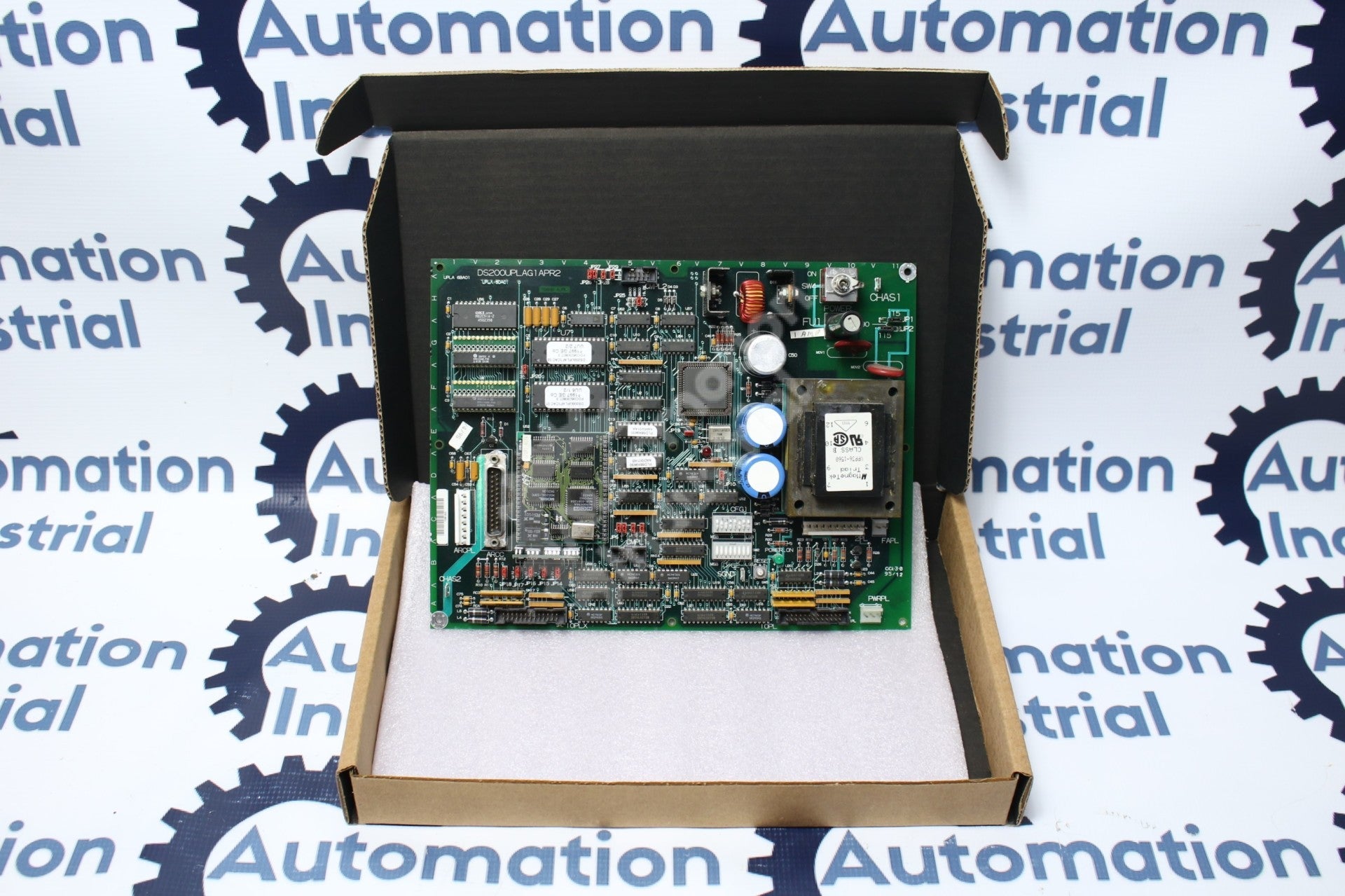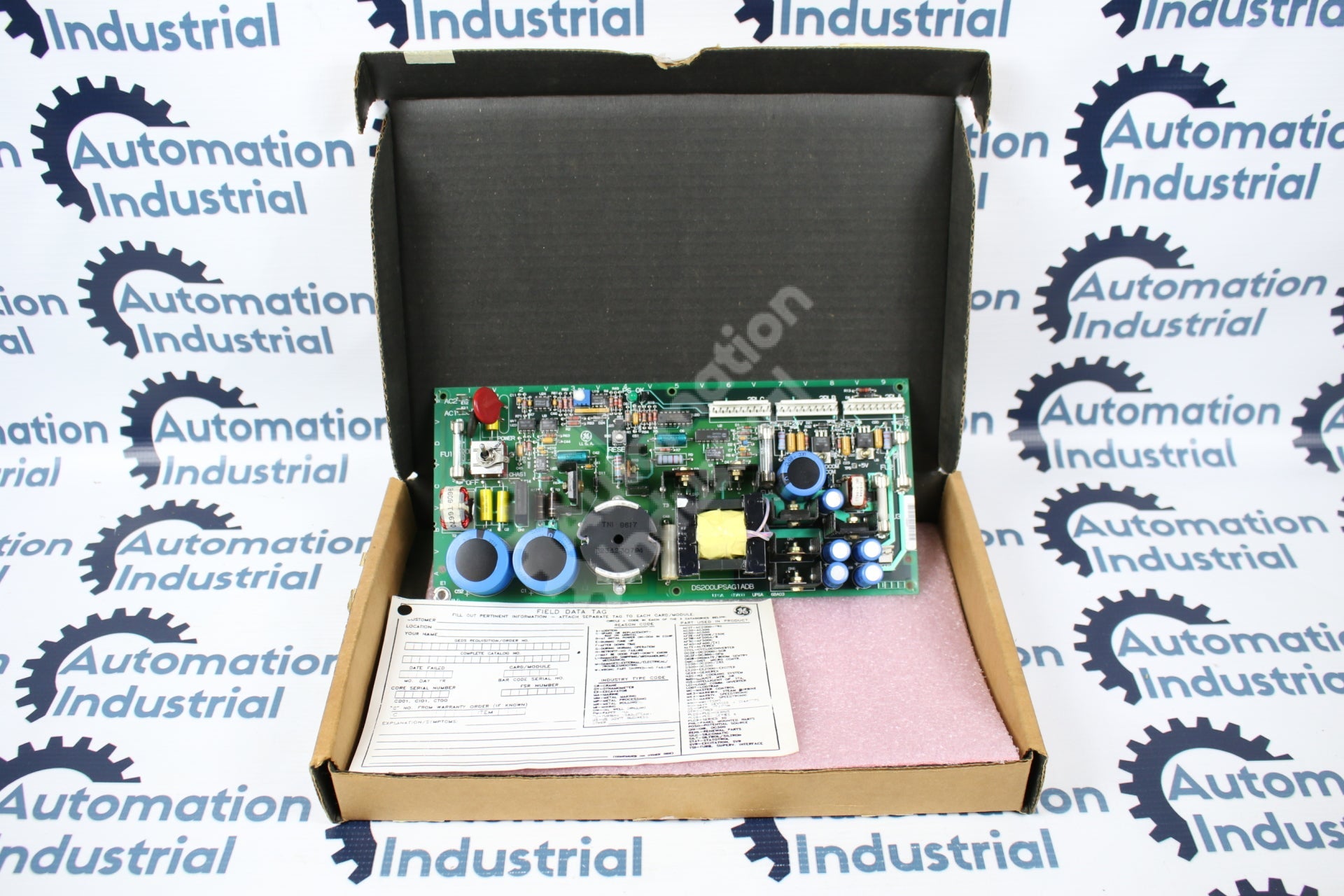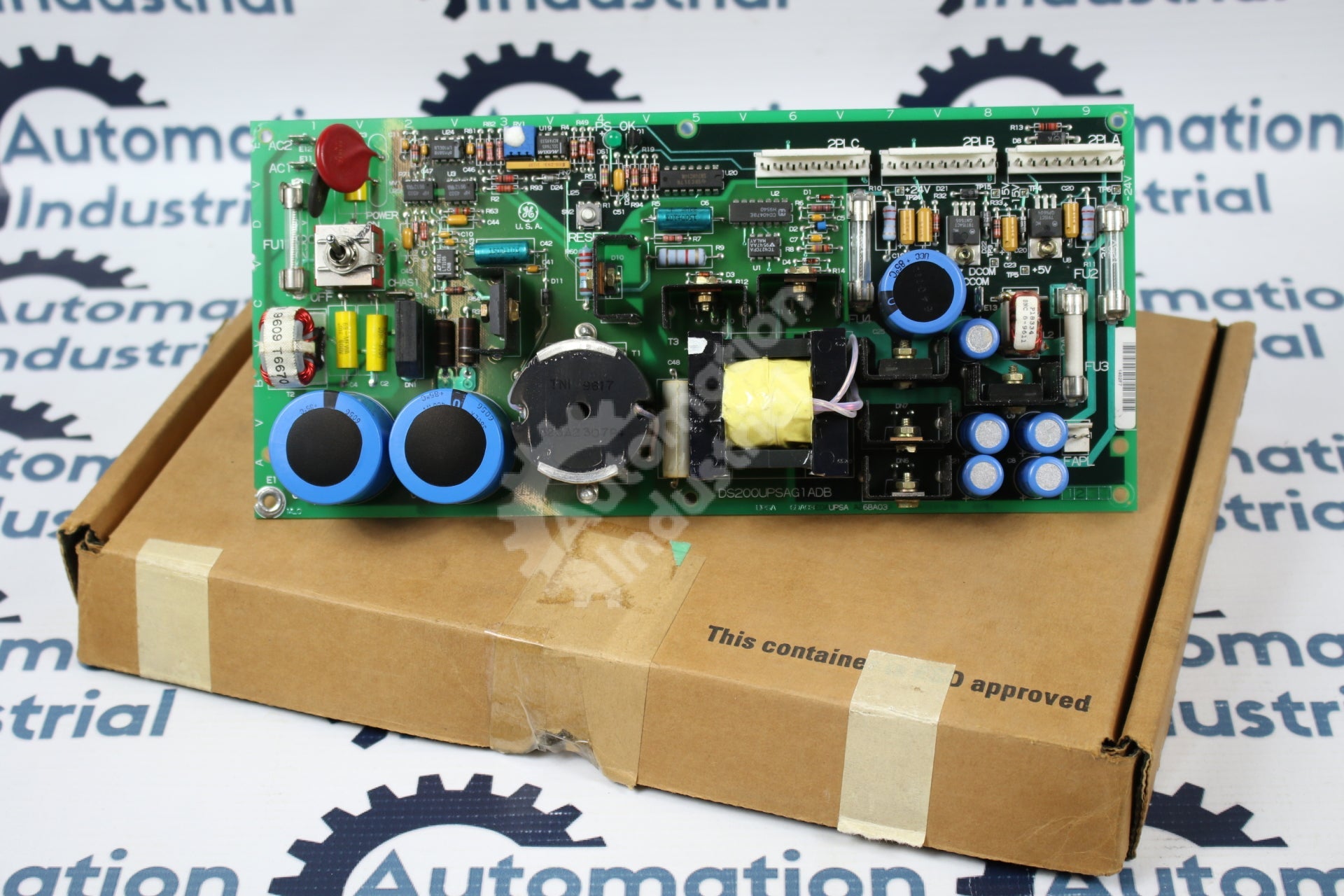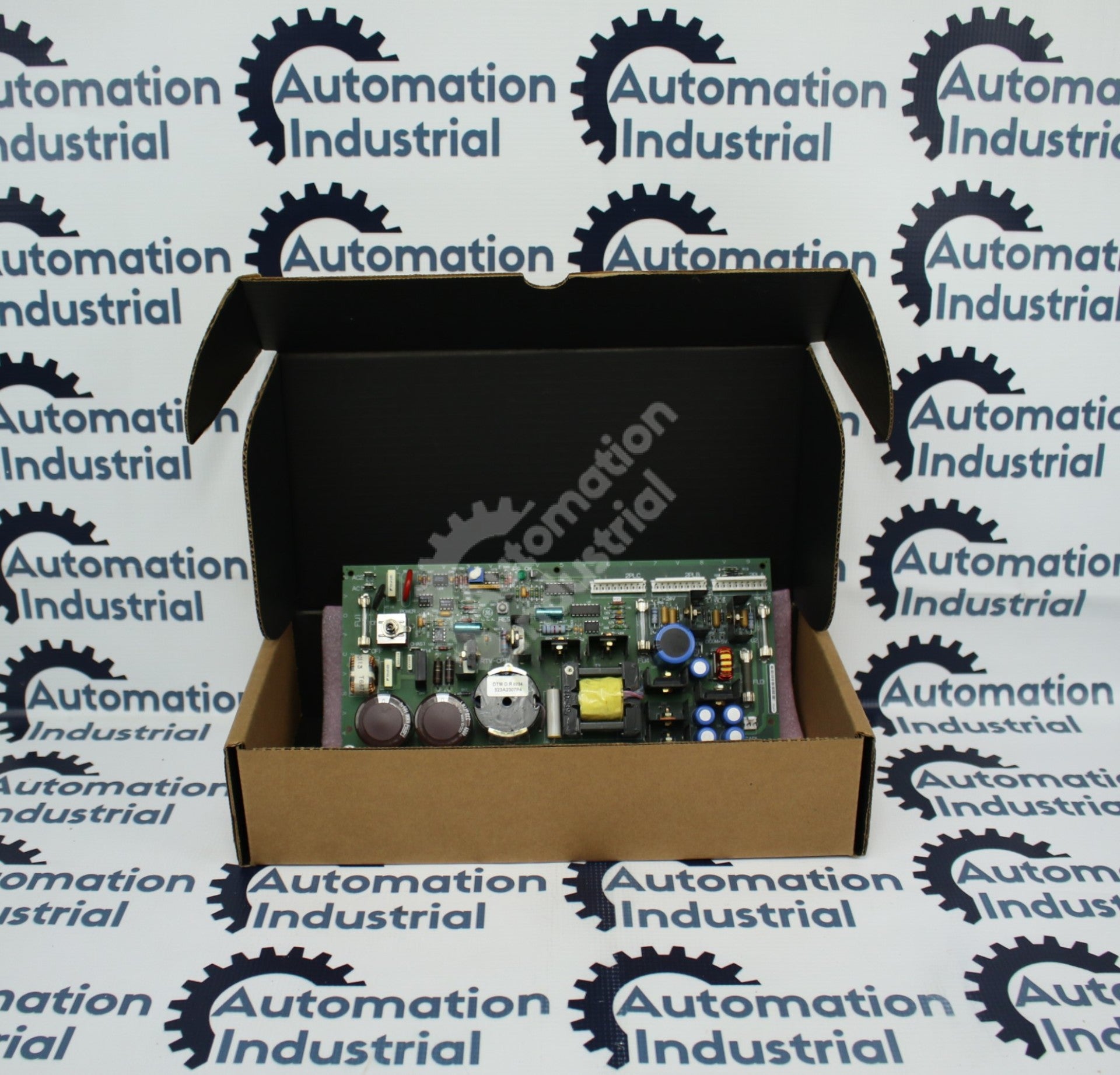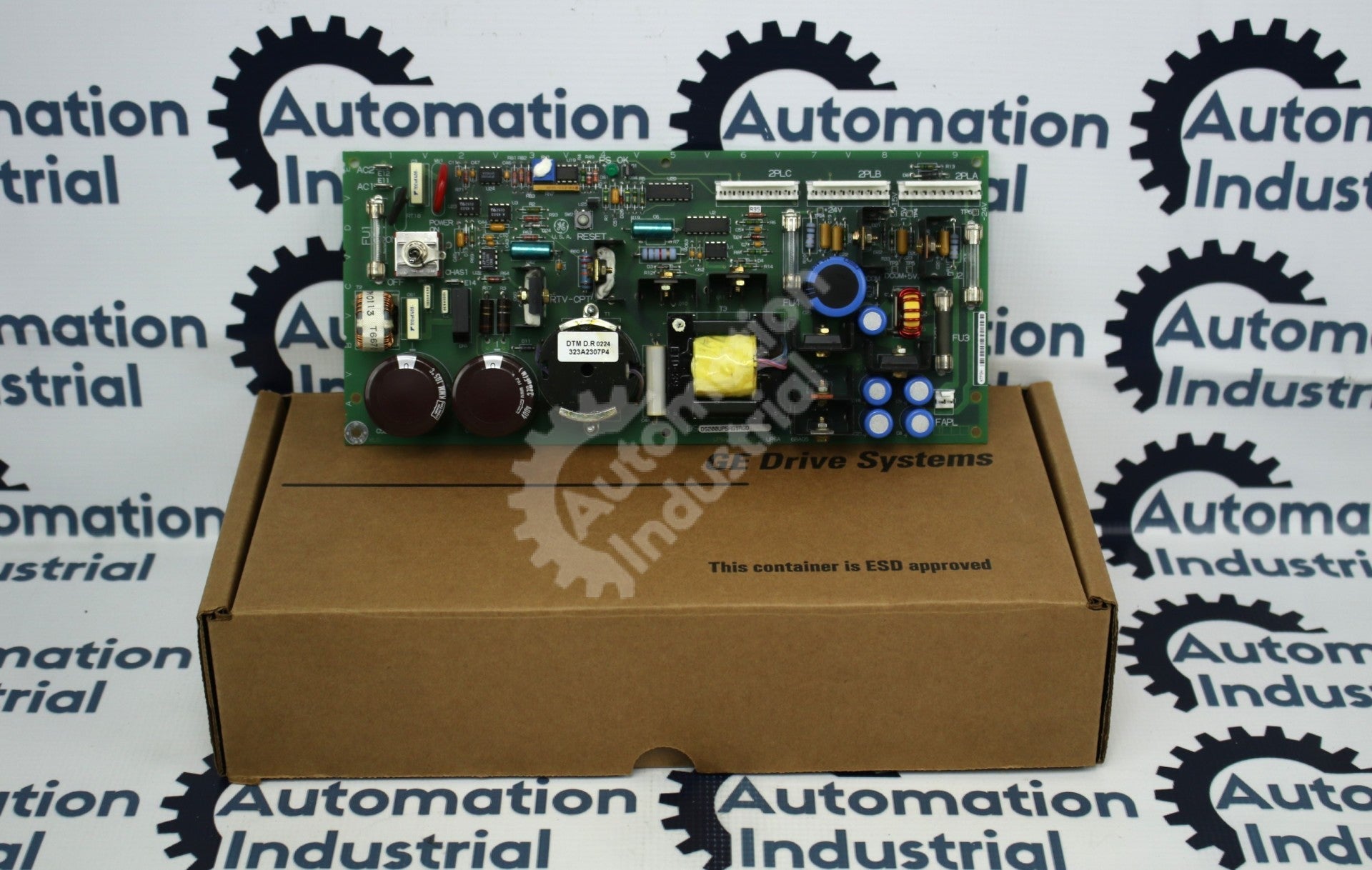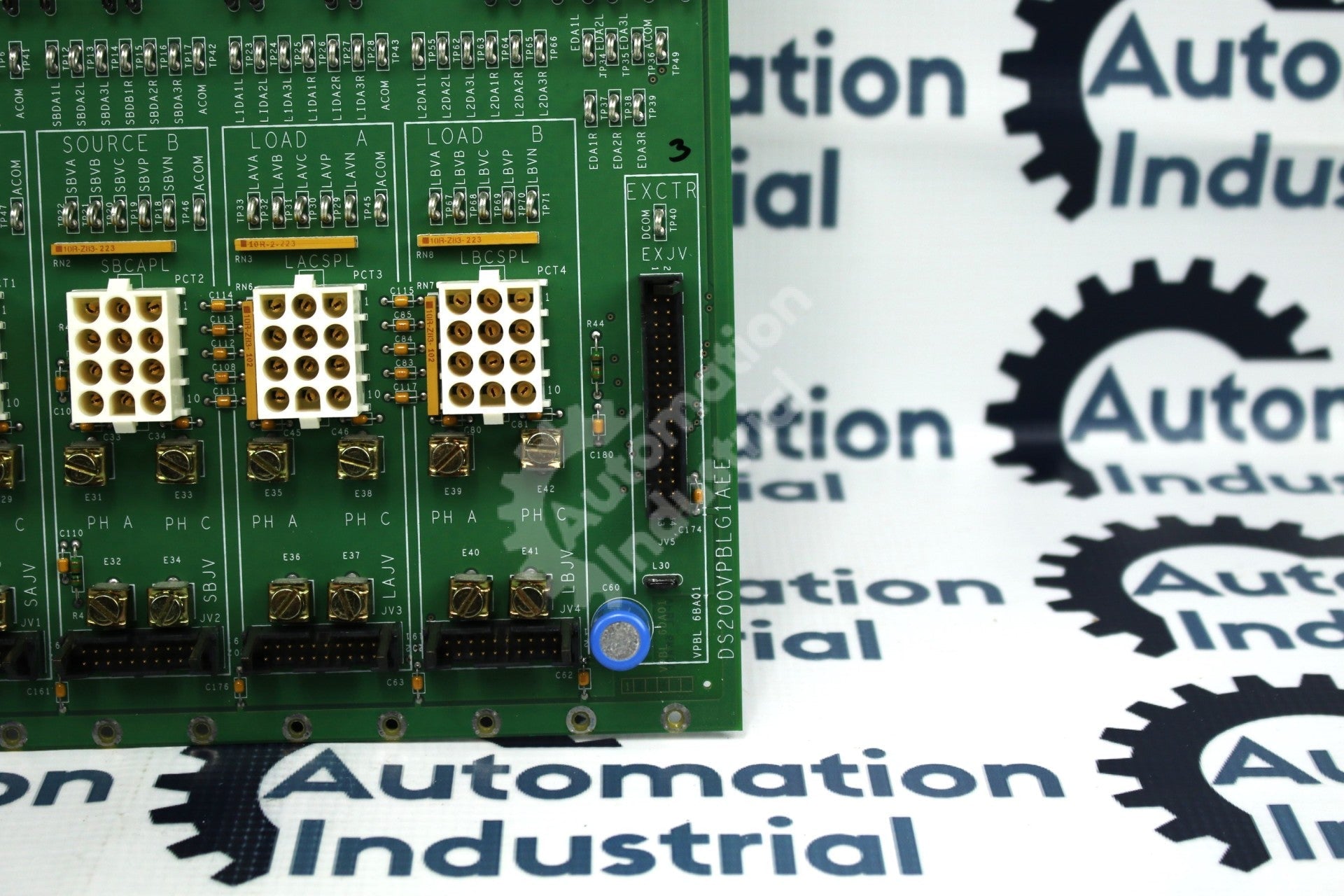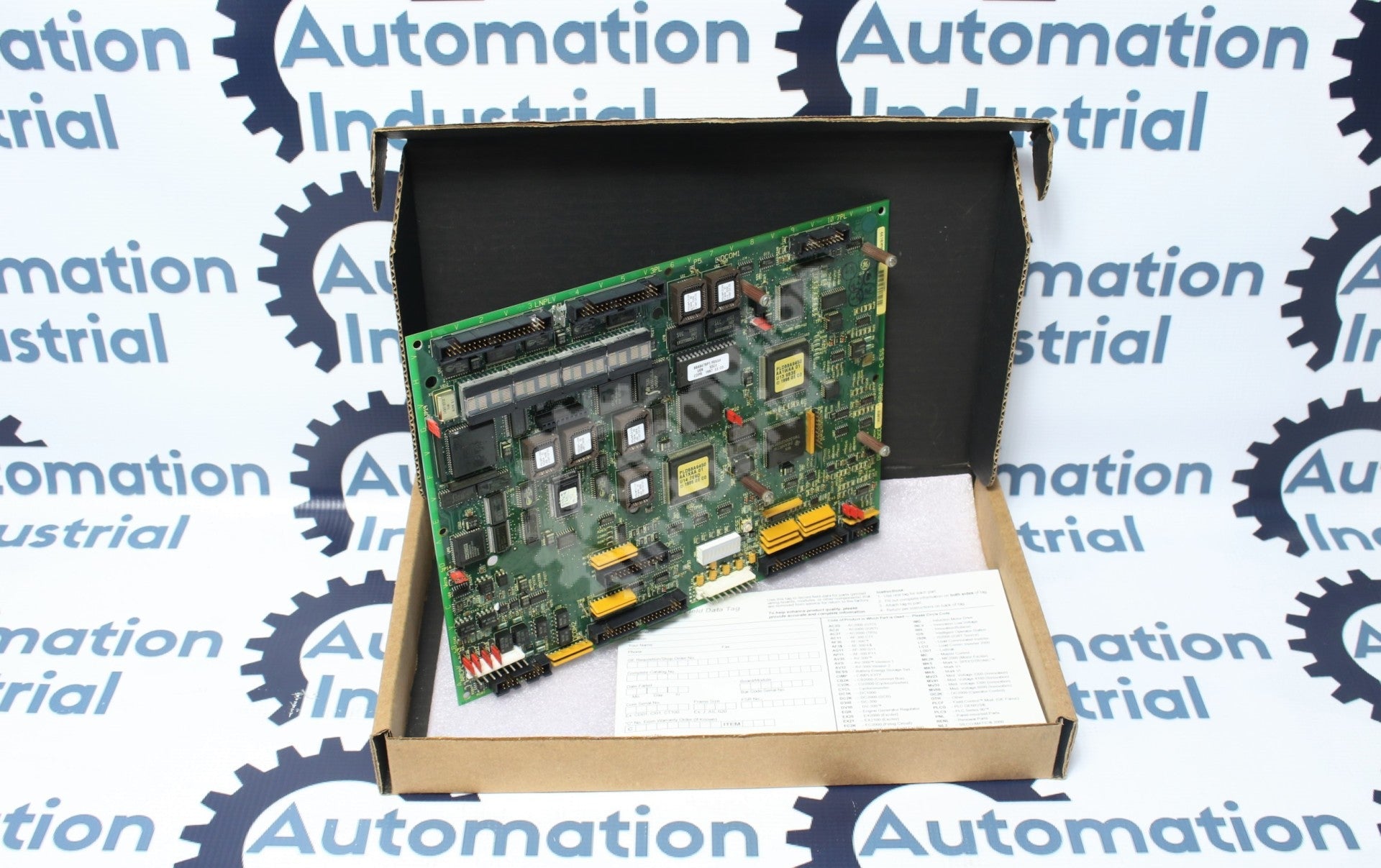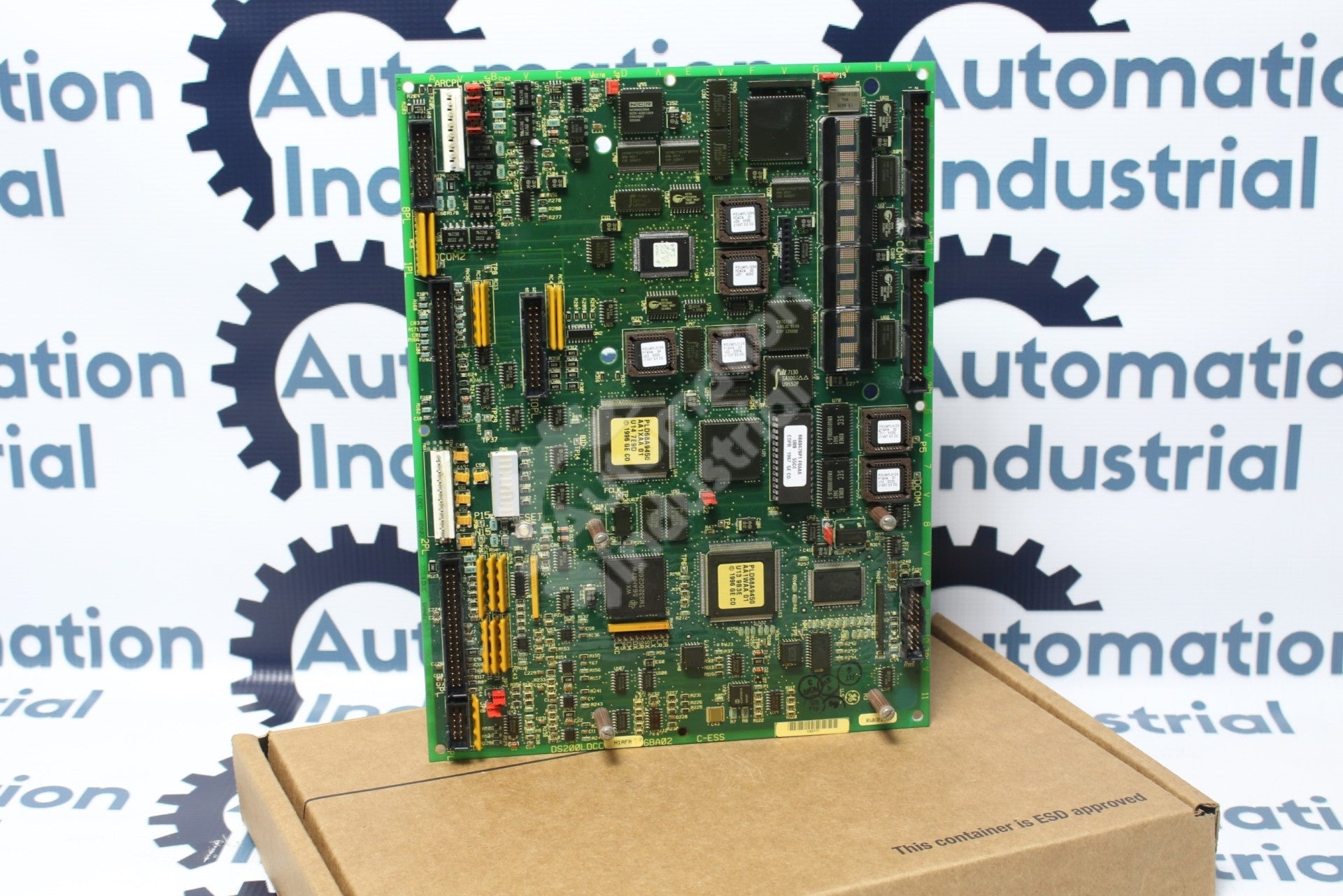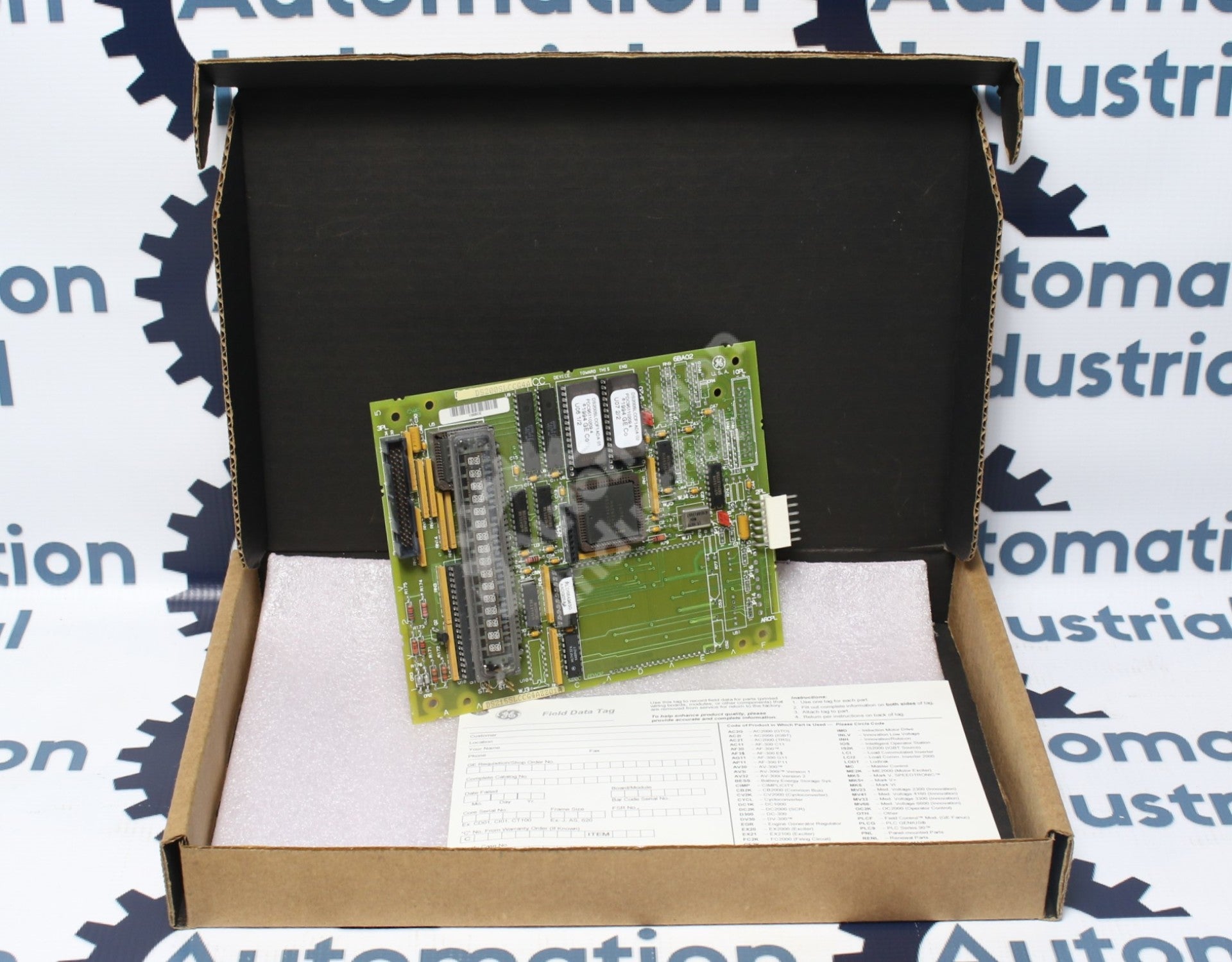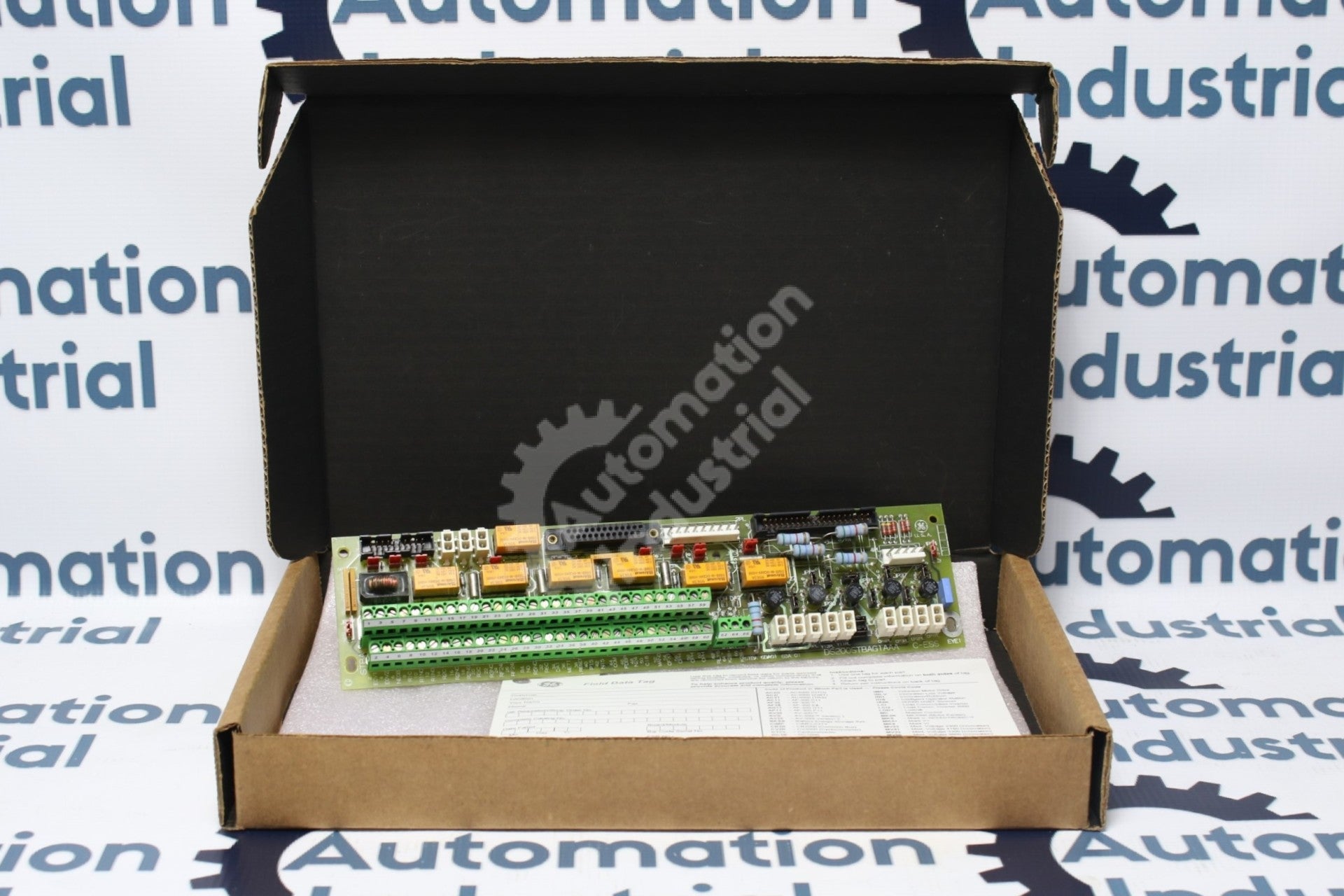
The Mark V is GE's third-generation Speedtronic turbine control system, and its boards all carry the DS200 prefix. If you are holding a board whose number starts DS200, you are working on a Mark V panel. It will not seat in a Mark IV (DS3800) rack or a Mark VI (IS200) VME rack.
Triple modular redundant, and why that changes how you buy
The Mark V was designed as a triple modular redundant (TMR) system. Its control logic runs three times over, in the <R>, <S> and <T> cores, and the three results are voted. Digital I/O and relay outputs live in the <Q> cores (seen as <Q11> and <Q51>), and communications sit in <C>.
This has a direct consequence for ordering spares: a core-resident board exists three times in your panel. When one fails, pull the part number and revision from all three before you order. Mismatched revisions across a voted set are a well-known source of intermittent trips, and the failure is maddening to chase.
The redundancy is also your best diagnostic tool. If one core disagrees and the other two agree with each other, the board in the odd core is your suspect. If all three see the same fault, look at the terminal board or the field device — a new control card will change nothing.
The board families
The four letters in the middle of a DS200 number tell you what the board does:
- TCQA — main analog I/O card, one in each of <R>, <S> and <T>, in position 2. Sits in the STCA → TCQA → TCQE daisy chain.
- TCQC — analog overflow, where channel count exceeds what the TCQA carries. Sits upstream of the TCEA boards.
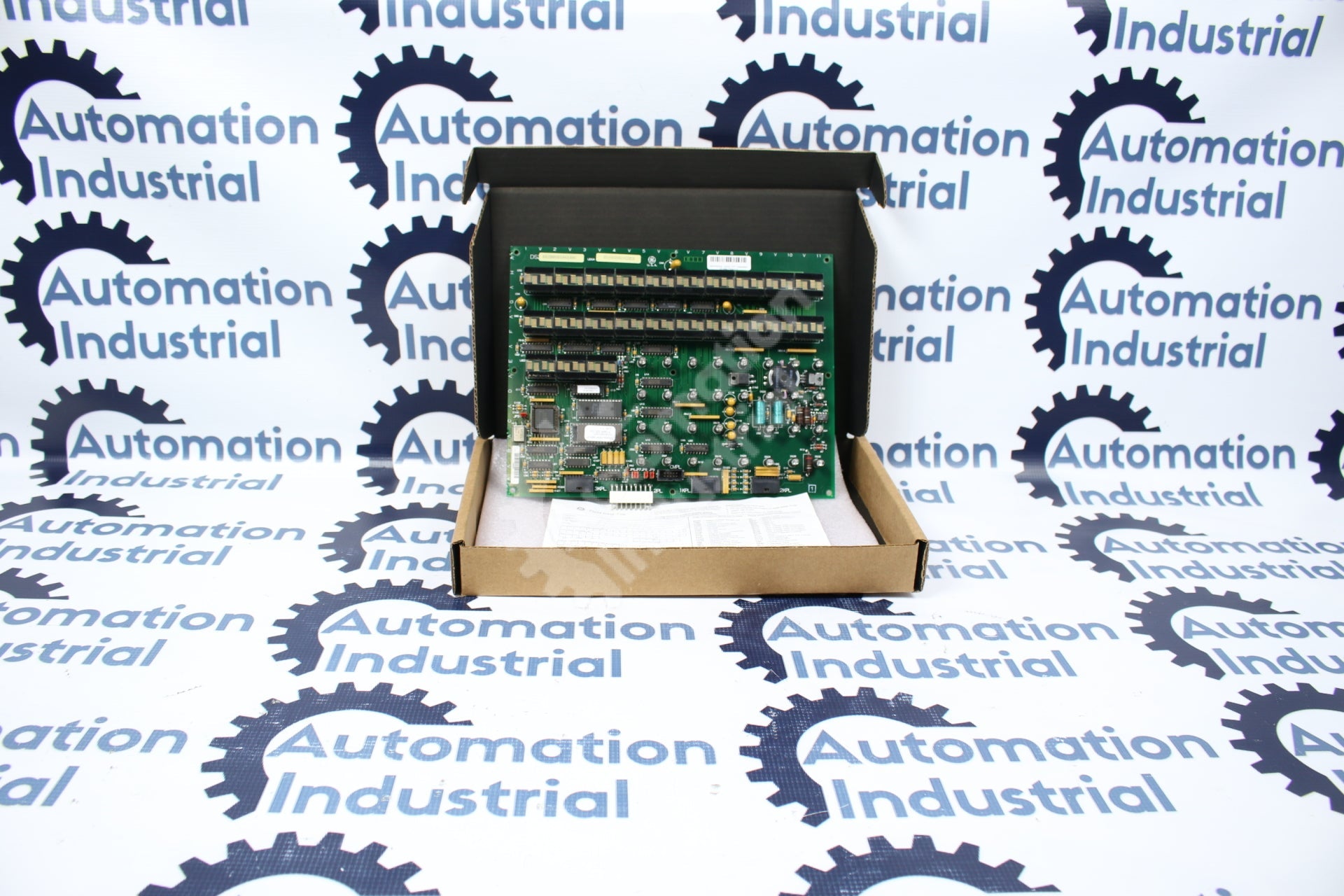
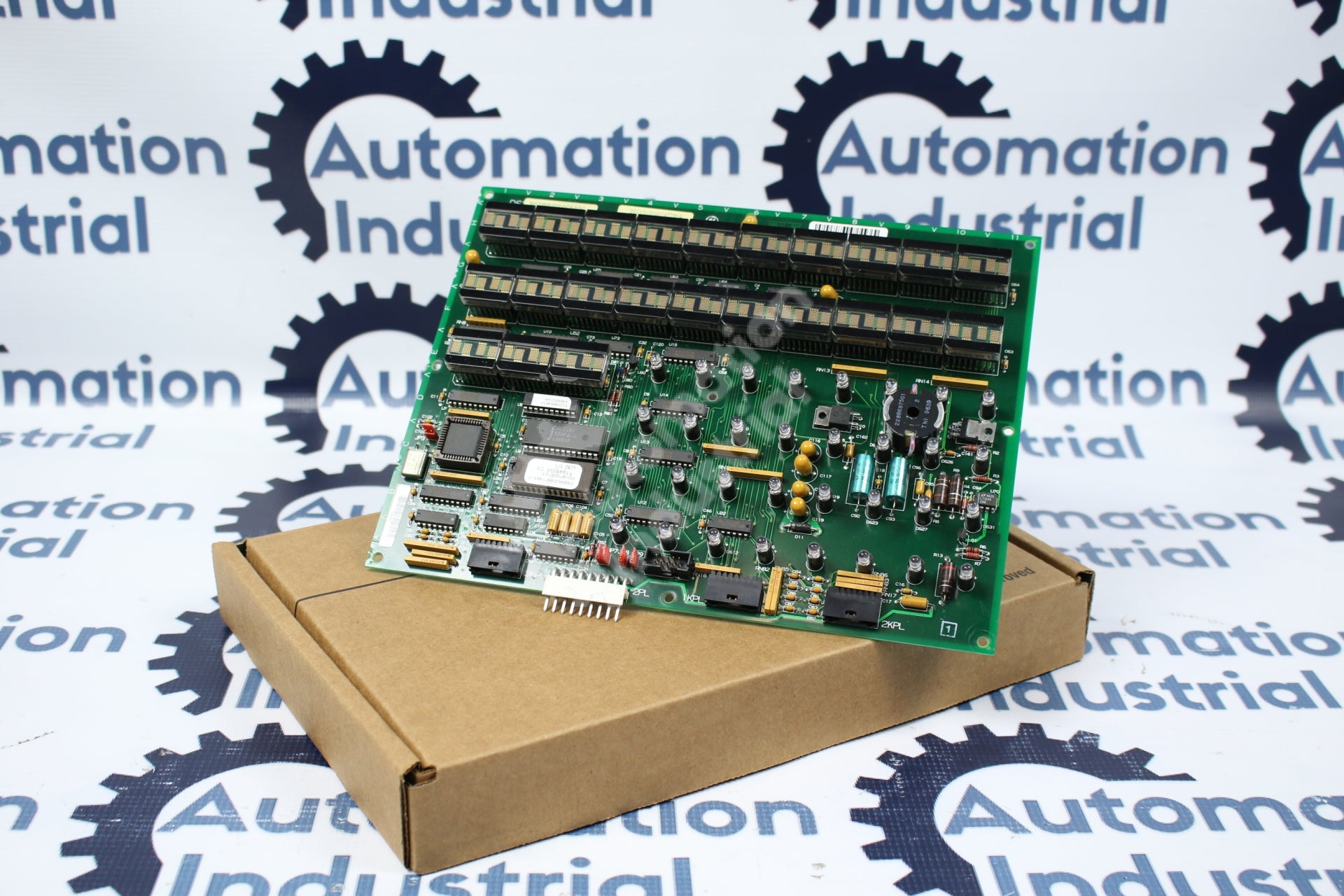
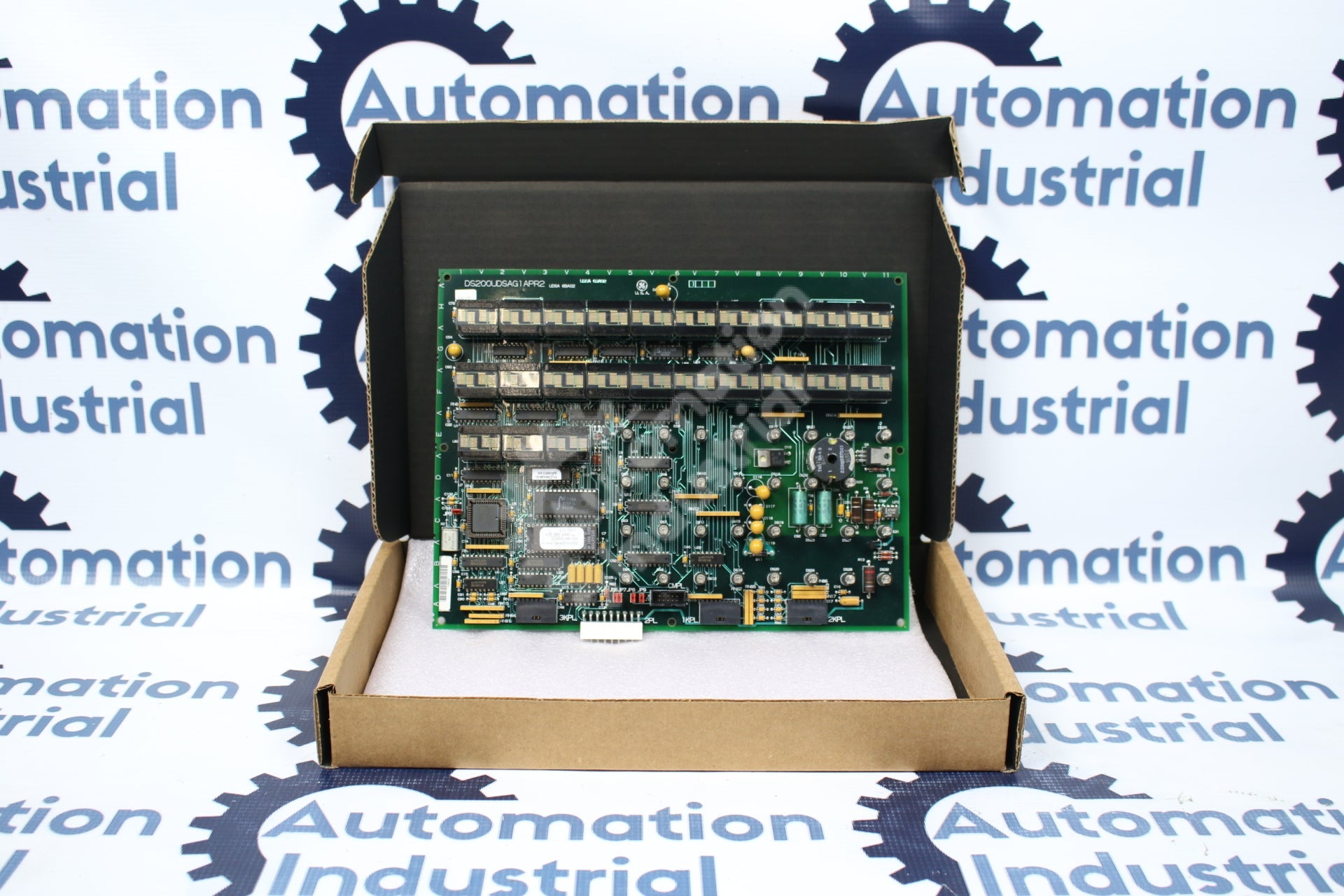
- TCDA — digital I/O, in the <Q11> and <Q51> cores. Processes outputs from the TCRA boards and inputs from the DTBA / DTBB terminal boards.
- TCEA — the protection chain (TCEA-X, TCEA-Y, TCEA-Z), daisy-chained TCQC → TCE1 → TCE2 → TCE3 → TCDA.
- TCRA — relay output, thirty relays labelled K1 to K30, in the <Q> cores.
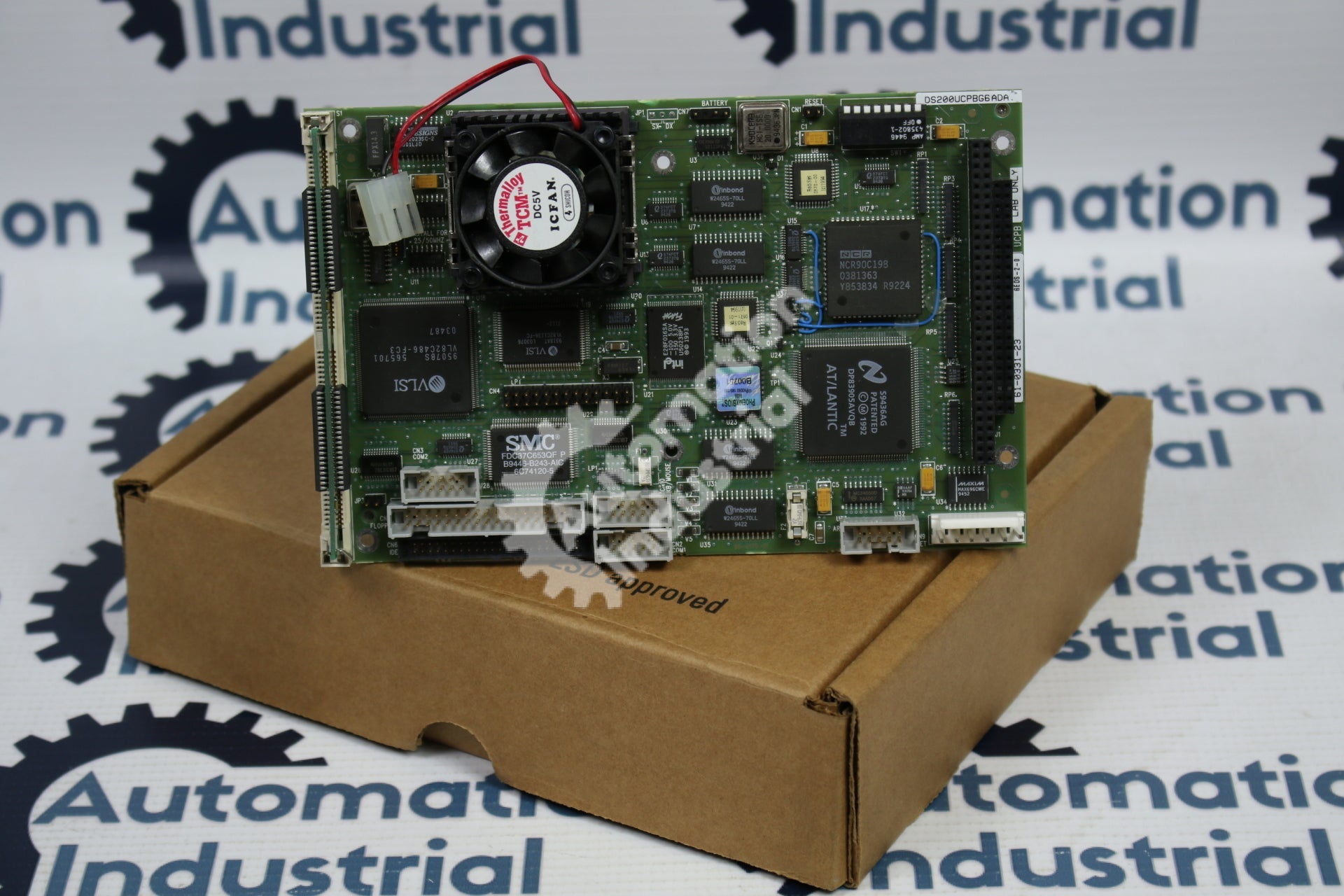
- UCPB — carries the CPU daughter board, mounts on the <R> core motherboard, connects via bus connectors J1 and J3.
- STCA — ARCNET LAN driver, head of the chain. IONET is the internal panel network it drives.
- DTBA / DTBB / DTBC / DTBD — terminal boards, the field-wiring landing points. Not processing cards. They fail rarely, but from the HMI a failed terminal board looks identical to a failed control card. Ring them out before condemning anything expensive.
Reading a DS200 part number
Take DS200TCQAG1BED. DS200 is the Mark V family. TCQA is the function. G1 is the group / style code, denoting the group-one board with the normal grade of protective PCB coating — an H-style code in the same position means the heavier conformal coating for harsher cabinets. BED is the revision tail.
You will find the same board listed under a short number (DS200CSSAG1A) and a long one (DS200CSSAG1AAA). Both are correct: the long form carries the revision letters. Buyers routinely search one form, find nothing, and conclude the part is unavailable. Search both. And read the number off the PCB silkscreen, not the cabinet slot label — slot labels record what was installed originally, not what someone fitted during the last outage.
Availability
Mark V is out of production. Every DS200 board on the market is surplus, refurbished or new-old-stock. The good news is that Mark V currently has the deepest surplus pool of any Speedtronic generation. The pragmatic strategy for a site still running Mark V is to buy critical spares while that pool is deep, rather than when the board fails at 2am.
Requesting a quote
Send us the full part number with the revision tail, the core the board sits in, the revisions fitted in the other cores, whether this is a breakdown or a shelf spare, and whether you can accept a superseding revision. That last one frequently turns a months-long hunt into a same-week shipment. We reply within 24 hours, ship worldwide DDP, and accept purchase orders.
Related guides