GE's Speedtronic line has controlled gas and steam turbines for more than fifty years, across six generations of hardware. Almost every sourcing mistake we see starts in the same place: someone orders a board from the wrong generation. The prefix on the part number is what prevents that, and it takes about three seconds to read.
Which generation am I looking at?
| Prefix | System | Browse |
|---|---|---|
| IC3600 / IC3606 | Speedtronic Mark I & Mark II — analog and discrete-logic cards | Mark I-II IC3600 cards |
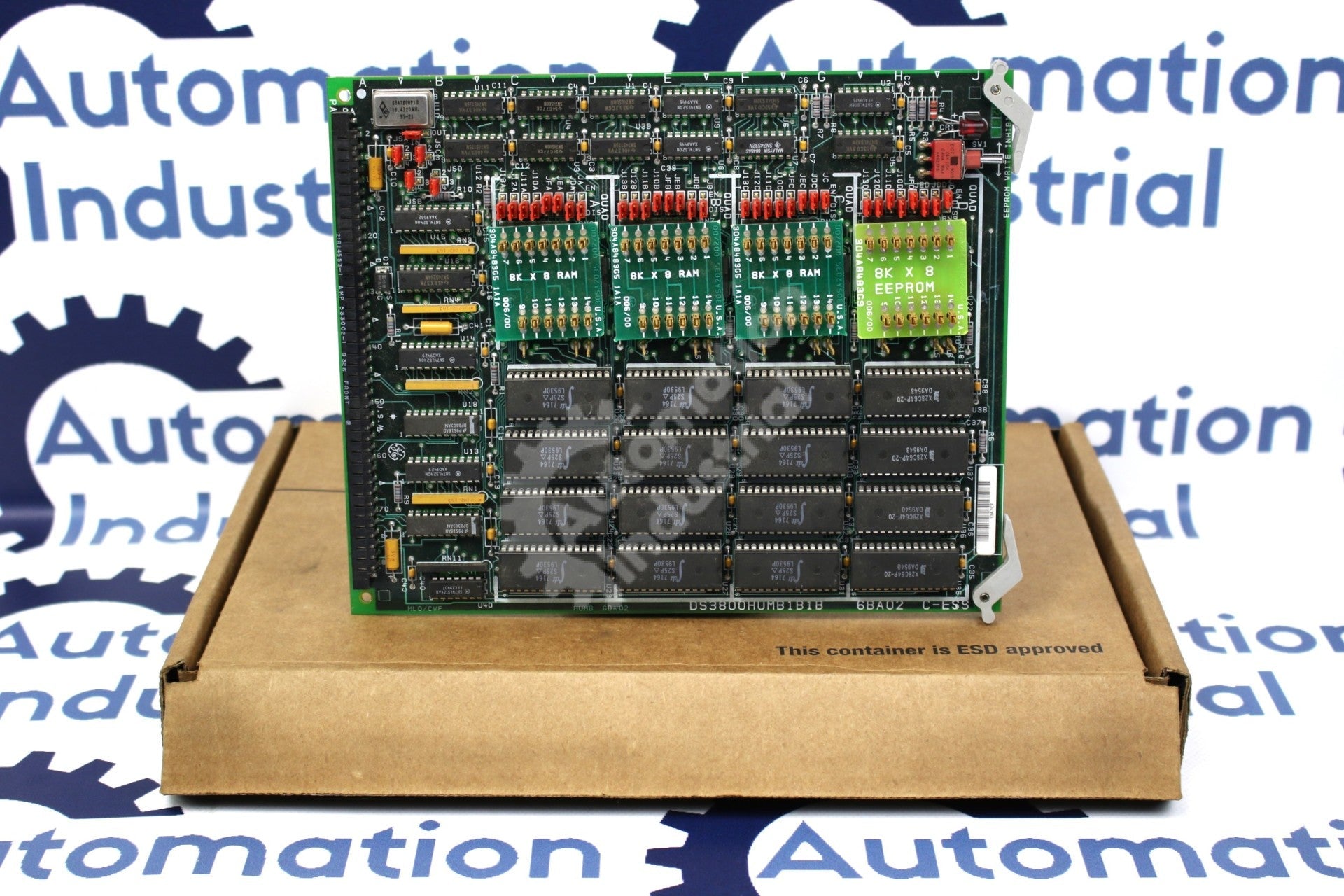
| DS3800 / DS3820 | Speedtronic Mark IV — first microprocessor control | Mark IV DS3800 boards |
| DS200 | Speedtronic Mark V — triple modular redundant (TMR) | Mark V DS200 boards |
| IS200 / IS210 / IS215 / IS220 | Speedtronic Mark VI — VME-based, TMR or simplex | Mark VI IS200 boards |
| IS400 / IS420 | Speedtronic Mark VIe & VIeS — current platform, safety-rated variant | Mark VIe IS420 boards |
None of these generations share cards. There is no adapter, no carrier, no firmware trick that puts a DS200 board in a Mark VI rack or an IS200 board in a Mark V panel. If a supplier offers one as a substitute for the other, walk away.
Three rules that will save you an outage
1. Read the number off the board, not the cabinet
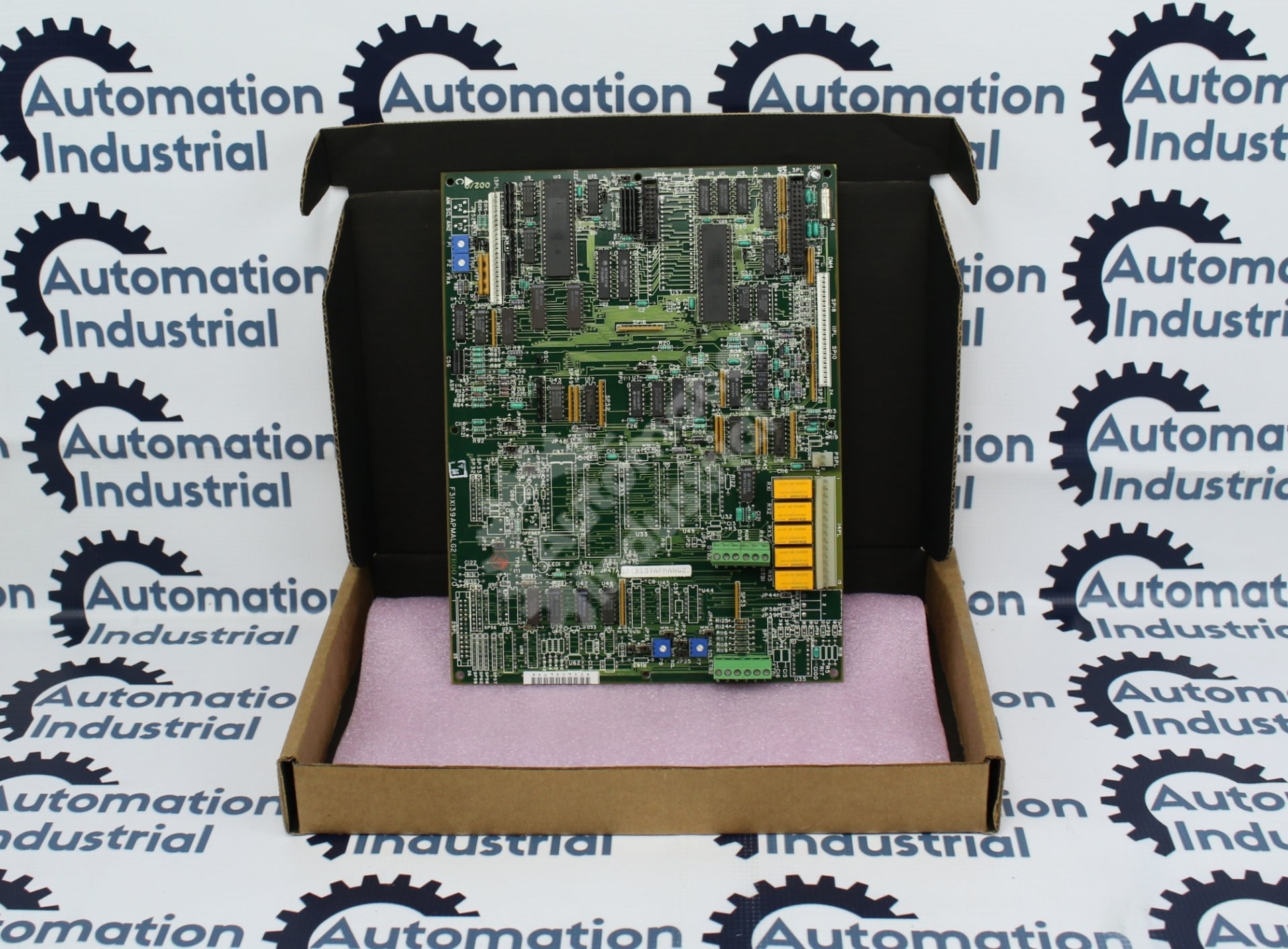
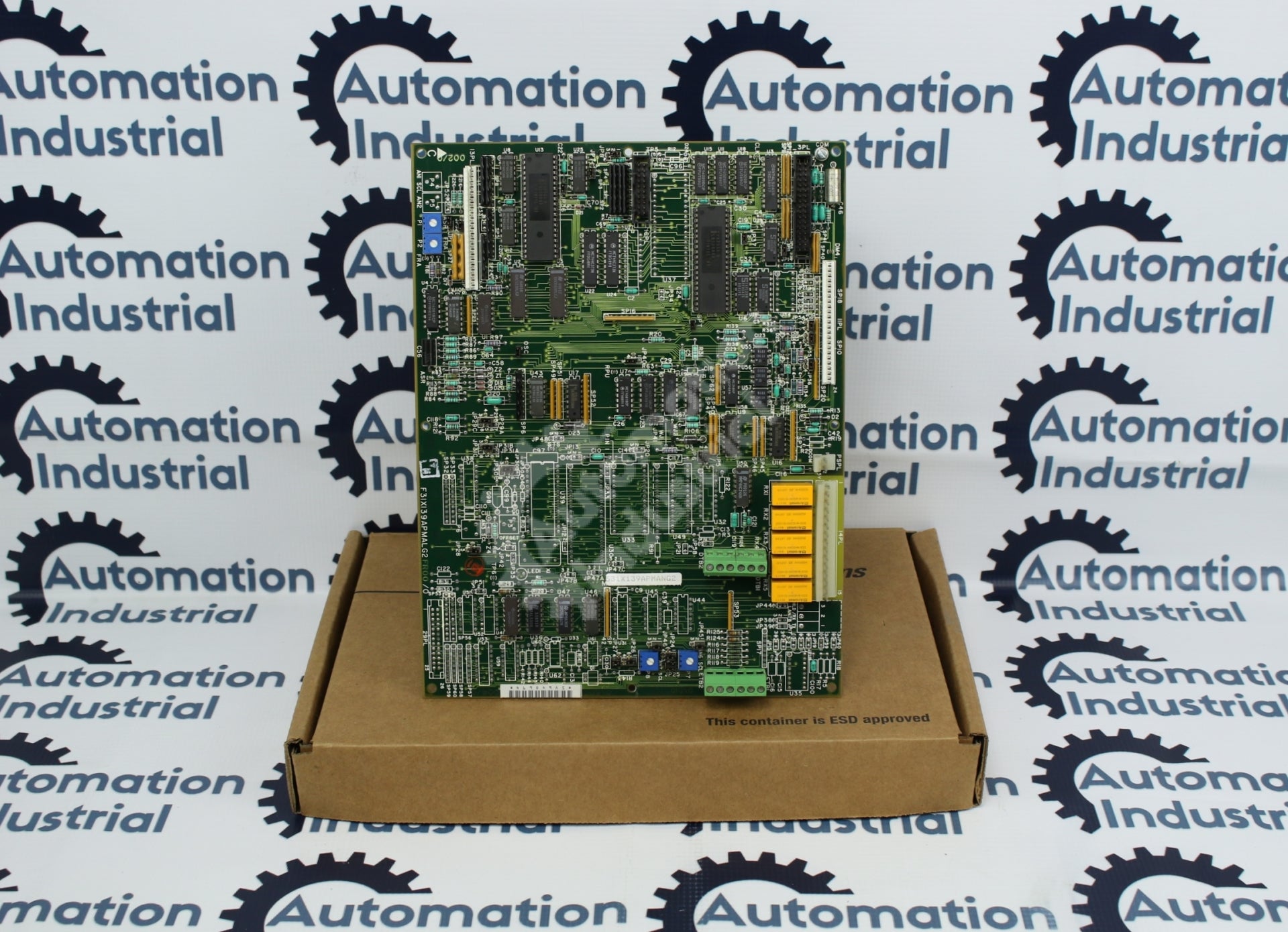
Slot labels record what was installed when the panel was commissioned. They do not record what someone fitted during the last outage. On DS200 and IS200 cards the number is silkscreened on the PCB; on older IC3600 and IC3606 cards it is often stamped on the card edge or the ejector tab.
2. The short number and the long number are the same board
DS200CSSAG1A and DS200CSSAG1AAA. IS200PSCDG1A and IS200PSCDG1ABB. The longer form carries the revision tail — trailing letters that track functional revisions applied to the base design. Buyers routinely search one form, find nothing, and conclude the part is unavailable. Search both.
The group code matters too. In DS200TCQAG1BED, the G1 denotes the group-one board style with the normal grade of protective PCB coating; an H-style code in the same position indicates the heavier conformal coating used in harsher cabinets. If your existing board is an H style, replacing it with a normal-coated equivalent in a dirty, humid cabinet is a false economy.
3. Check the revision in every redundant core
On a triple modular redundant Mark V, a core-resident board exists three times over, in <R>, <S> and <T>. Mismatched revisions across a voted set are a classic source of intermittent trips — and they are maddening to chase, because nothing is obviously broken. Pull the numbers from all three cores before you order, not just the failed one.
Use the redundancy to diagnose, before you spend
The voting architecture is the best free diagnostic tool you have. If one core disagrees and the other two agree with each other, the board in the odd core is your suspect. If all three cores see the same fault, the problem is almost certainly the terminal board or the field device — and a new control card will change nothing.
And check the terminal boards. DS200 numbers beginning DTB, and the STCI / TDBT terminal families on the newer systems, are field-wiring landing points, not processing cards. They fail far less often — but from the HMI, a failed terminal board is indistinguishable from a failed control card. Ring them out before condemning something expensive.
The supply picture, honestly
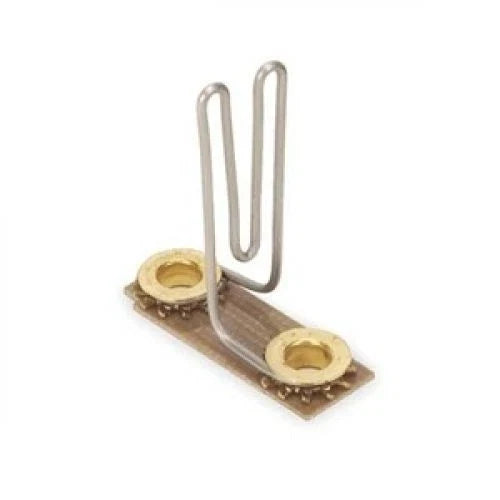
- Mark I & II (IC3600): genuinely scarce. If you still run one, an on-shelf spare set is not a luxury. Even the service items — card extenders, for instance — are getting hard to find.
- Mark IV (DS3800): surplus and refurbished only. Lead times are not long so much as unpredictable. Buy critical spares before you need them.
- Mark V (DS200): currently the deepest surplus pool of any generation. If you run Mark V, buy your spares while that is still true.
- Mark VI (IS200): still widely supported. Where most fleets sit today.
- Mark VIe / VIeS (IS400 / IS420): current platform. New surplus genuinely exists. Never substitute across a safety boundary on a VIeS path.
Migration is driven by risk, not by whether a part exists — parts exist for all of these systems today. The real question is how long you want to depend on a surplus market for a machine you cannot afford to have down.
What to send us when you request a quote
- The full part number, including the revision tail.
- The Mark generation — and for Mark VI, whether the panel is TMR or simplex. Count the IONet ports on the VCMI if you are unsure: one port means simplex, three means TMR.
- Which core, rack or slot the board sits in — and on a Mark V, the revisions fitted in the other cores.
- The condition you can accept — new surplus, open box, or tested used. For the older generations, new-in-box may simply not exist, and we would rather tell you that than waste your week.
- Whether you can accept a superseding revision. This one question frequently turns a months-long hunt into a same-week shipment.
- Whether this is a breakdown or a shelf spare. It changes what we go looking for.
We reply to every quote request within 24 hours, ship worldwide DDP, and accept purchase orders.
Technical guides